Blog

  • Edibles 101: How Quality Cannabis Edibles Work, Onset Timeline, Duration, and Why Effects Feel Different

    Edibles 101: How Quality Cannabis Edibles Work, Onset Timeline, Duration, and Why Effects Feel Different … Home(THC, Psychedelic, Cannabis, CBD)

    ### Introduction: Why edibles are different
    Cannabis edibles have become one of the most popular ways to consume THC—especially for people who prefer not to smoke or vape. But if you’re new to edibles, one thing can feel confusing: *they often take longer to kick in, last longer than other methods, and may feel different from inhalation.*

    That’s not (usually) a sign you got the wrong product—it’s the biology of digestion, absorption, and how THC becomes active in the body. This guide breaks down *what edibles are, **how they work, **the typical onset timeline, and **why your experience can vary* even when you think you’re using the same dose.

    ### What are cannabis edibles?
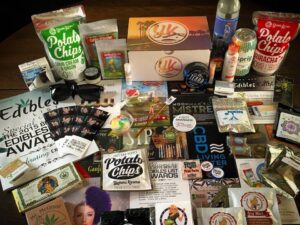
    *Cannabis edibles* are foods or beverages infused with cannabinoids (most commonly THC, sometimes CBD). They can come in many forms:
    – Gummies and fruit chews
    – Chocolates and baked goods
    – Drinks and flavored beverages
    – Capsules, tablets, and “edible” extracts
    – Tincture-style edible products (depending on how they’re sold/consumed)

    Most edibles are designed to be swallowed and metabolized through the digestive system.

    ### How edibles work (the body’s “processing” step)
    When you inhale cannabis (smoking/vaping), cannabinoids enter the bloodstream quickly via the lungs. With edibles, cannabinoids must first:
    1. *Dissolve in your digestive tract*
    2. *Absorb through the gastrointestinal lining*
    3. *Enter the liver*, where THC is metabolized
    4. *Produce active compounds* that interact with your endocannabinoid system

    A key reason edibles can feel stronger or more “body-heavy” is that THC is metabolized into compounds that may produce different effects than what you’d feel from inhalation.

    ### Onset timeline: when you’ll feel effects
    Onset time varies based on multiple factors (more on that below), but a typical window looks like this:

    #### Common timeline (general guidance)
    – *0–60 minutes:* Often little to no noticeable effect
    – *60–120 minutes:* Onset becomes more obvious for many people
    – *120–180 minutes:* Effects often plateau near the peak
    – *Beyond 180 minutes:* Some people still feel lingering intensity, depending on the dose and product

    Notably, edibles can start earlier or later. The biggest mistake newcomers make is *re-dosing too soon* because they don’t feel anything yet.

    ### Duration: how long edibles last
    Edibles generally last longer than inhaled cannabis. A typical experience may include:
    – *Main effect period:* several hours
    – *After-effects:* lingering relaxation, altered perception, or mild cognitive effects the rest of the day

    Many people report total effect duration spanning *half a day to 8+ hours*, depending on dose, tolerance, and metabolism. If you have a busy schedule or need to drive work shifts, plan accordingly.

    ### Peak effects: why it feels like “they hit at once”
    Edibles aren’t usually a smooth ramp. Many people experience a *gradual build* followed by a more noticeable peak. This can be influenced by:
    – Food in your stomach
    – How quickly your body absorbs the cannabinoid
    – Product type and formulation (gummy vs oil-based vs baked good)
    – Your tolerance and dose history

    ### Why your experience varies (even with the same edible)
    Even if you buy the same product and take the same label dose, effects can vary due to:

    #### 1) Stomach contents
    – *On an empty stomach:* often faster onset
    – *After a meal:* sometimes slower onset, sometimes longer-lasting effects

    #### 2) Dose and THC milligrams
    The label dose matters, but so does how “consistent” the product is. Gummies can vary by chewing, portioning, and metabolism.

    #### 3) Product type and fat content
    Many edibles are oil- or fat-assisted (especially chocolates, candies, and oil-based products). Fat can influence absorption. That means two “10 mg” edibles might not feel identical.

    #### 4) Tolerance and prior cannabis use
    If you consume regularly, you may feel less intensity at the same dose compared to a first-time user. Conversely, if you haven’t used in a while, effects can be stronger.

    #### 5) Individual metabolism
    Different people metabolize THC at different speeds. That’s why one person’s “standard” edible timeline may not match another’s.

    ### Responsible timing tips (harm-reduction, not “how to get more”)
    If you’re trying to use edibles responsibly, a few practical principles help:

    – *Start low*: choose a conservative dose, especially for your first edible experience.
    – *Wait before re-dosing*: because onset is delayed, re-dosing too soon is the #1 cause of overly intense experiences.
    – *Choose a low-stress setting*: edibles can feel intense when taken unexpectedly fast or too much.
    – *Avoid mixing with alcohol*: mixing can increase unpredictability and may amplify impairment.

    (If you have medical questions or specific conditions, consult a qualified clinician. This article is general education.)

    ### What does “edible high” feel like?
    People describe edibles differently depending on dose and personal chemistry. Common reports include:
    – Relaxation and body warmth
    – Slower, more reflective thinking
    – Increased sensory awareness (music, taste, comfort)
    – Drowsiness for some people
    – Anxiety or restlessness for others—especially with higher doses or low tolerance

    If you find that higher doses lead to discomfort, the solution is typically *dose reduction and better pacing*, not “pushing through.”

    ### How to choose an edible for your first time
    If you’re new, look for:
    – A product with *clear dosing per serving*
    – A *lower THC* option if available
    – A format you can control easily (pre-portioned gummies can be simpler than “baked goods” with less standardized dosing)

    Also consider what you want:
    – *Relaxation/comfort:* gummies, chocolates, or oil-infused treats
    – *Longer, steadier experience:* some oil-based or carefully formulated edibles
    – *Avoiding heavy sedation:* choose a lower dose and plan for a daytime window

    ### FAQ (Post 1)
    *1) Can edibles take 3 hours to work?*
    Yes. Many people feel onset within 1–2 hours, but it’s not unusual for effects to become more noticeable later, especially if taken with food or if you’re more sensitive to onset delays.

    *2) Does “THC mg” always equal the same effect?*
    Not always. Formulation, absorption, tolerance, and your body’s metabolism affect outcomes.

    *3) Should I take more if I don’t feel anything after 30 minutes?*
    In most cases, that’s too soon. A cautious approach is to wait longer and avoid re-dosing until you’ve given the product time to absorb.

    *4) Are edibles safer than smoking?*
    Edibles avoid lung exposure from smoke/vape, but they still carry risks such as impairment, dosing unpredictability, and delayed onset. Responsible pacing and labeling matter.

    http://t.me/mariota42
    cannabis edibles

  • Psychedelic Pills, THC Pills, CBD Pills & Cannabis Pills(1): A Complete SEO Guide to Effects, Benefits, Risks, Legality, and Safe Use

    Psychedelic Pills, THC Pills, CBD Pills & Cannabis Pills: A Complete SEO Guide to Effects, Benefits, Risks, Legality, and Safe Use

    “Pills” are one of the most common delivery forms for cannabis- and cannabinoid-based products. Today, people search for **THC pills**, **CBD pills**, **cannabis pills**, and sometimes **psychedelic pills**—often meaning products marketed as microdosing, mood-enhancing, or alternative-therapy solutions. But the names can overlap, the ingredients can vary, and the safety considerations are very important.

    This guide explains the major categories—**psychedelic, THC, CBD, and cannabis pills**—including what they are, how they work, what people use them for, potential benefits, common side effects, interaction risks, and practical, safety-focused guidance. It also covers legality at a high level and what to look for on labels so you can make informed decisions.

    > **Important note:** I can provide general educational information, but I’m not a doctor. Effects, dosing, and legal status vary by location and product. If you have medical conditions, take medications, are pregnant/breastfeeding, or have a history of substance-related issues, consult a qualified healthcare professional.

    — Pills

    ## 1) What Are “Pills” in Cannabis and Psychedelic Products?

    In the cannabis and psychedelic space, “pills” usually means one of these formats:

    – **Tablets or capsules containing cannabinoids** (THC, CBD, or combinations).
    – **Edibles made in pill form** (same cannabinoid action, just different delivery).
    – **“Psychedelic” capsules marketed for altered states** (ingredient identity matters a lot—some may contain controlled substances, while others may use legal analogs or non-psychedelic compounds).

    The big difference between typical pharmacy and cannabis/cannabinoid pills is that:
    – **Dose is often harder to judge** (especially across brands).
    – **Onset and duration** can be unpredictable.
    – **Label accuracy and quality control** may vary—especially outside licensed channels.

    ## 2) THC Pills (Delta-9 and Other THC Types)

    ### What THC pills are
    **THC pills** contain tetrahydrocannabinol (THC), the primary compound responsible for the classic “high” associated with cannabis.

    THC pills may contain:
    – **Delta-9 THC** (the most commonly referenced)
    – Potentially other THC isomers depending on the product and jurisdiction (e.g., some brands market delta-8 or other variants)

    ### How they work
    THC interacts with the body’s **endocannabinoid system**, especially CB1 receptors, influencing:
    – Perception and mood
    – Appetite
    – Reaction time and coordination
    – Short-term memory and attention

    ### Common reasons people use THC pills
    – Recreational use
    – Managing certain symptoms (e.g., appetite issues or discomfort) *under appropriate medical guidance*
    – Achieving a longer-lasting edible effect instead of inhalation

    ### Potential benefits (when used responsibly)
    Some people report:
    – Relaxation and stress relief
    – Enhanced sensory experience
    – Appetite stimulation

    ### Common side effects
    Side effects can include:
    – Anxiety or paranoia (especially with higher doses)
    – Dizziness, dry mouth
    – Increased heart rate
    – Slowed reaction time, impaired judgment
    – Sleepiness or sedation (dose-dependent)

    ### Safety reminders for THC P
    – **Start low, go slow.** Edible-type products can feel “weak” at first and then hit harder later.
    – Avoid operating vehicles, machinery, or making important decisions after taking THC pills.
    – Be cautious combining with alcohol or other sedating substances.

    ## 3) CBD Pills

    ### What CBD P are
    **CBD pills** contain cannabidiol (CBD), a cannabinoid that does **not typically produce intoxication** like THC.

    ### How CBD works (in general terms)
    CBD interacts with cannabinoid receptors and other systems in the body. People often choose CBD for:
    – Day-to-day wellness routines
    – Supporting recovery or relaxation
    – Addressing discomfort or stress (evidence varies depending on condition and dose)

    ### Common reasons people use CBD P
    – Stress support and calming routines
    – General wellness and recovery
    – Complementary use alongside other healthcare approaches (not a replacement)

    ### Potential benefits (subject to product quality and individual response)
    Some users report:
    – Reduced stress or tension
    – Better sleep quality
    – Relief from mild discomfort

    ### Common side effects
    CBD is generally well-tolerated, but it can cause:
    – Dry mouth
    – Drowsiness (sometimes, depending on formulation)
    – Upset stomach or appetite changes

    ### Important interaction risks
    CBD can interact with medications by affecting drug metabolism. If you take prescriptions—especially for seizure disorders, blood thinners, or certain antidepressants—talk to a clinician or pharmacist first.

    ## 4) Cannabis Pills (Full-Spectrum, Broad-Spectrum, and Combinations)

    ### What “cannabis P” usually means
    “**Cannabis pills**” is a broad term. It may refer to:
    – THC-containing pills
    – CBD pills
    – **Full-spectrum** products (containing multiple cannabis compounds)
    – **Broad-spectrum** products (many compounds but often with THC removed)
    – Mixed formulations (THC + CBD together)

    ### Full-spectrum vs broad-spectrum (simple overview)
    – **Full-spectrum:** typically includes multiple cannabinoids and sometimes trace THC.
    – **Broad-spectrum:** often includes multiple cannabinoids but typically avoids THC (depending on the product and labeling).

    ### Why people choose combined formulas
    Some users prefer THC/CBD combinations because they may feel different than THC alone. However, the “right ratio” is highly personal and depends on:
    – Dose
    – Tolerance
    – Goal (relaxation vs clarity vs symptom support)
    – Whether the product is accurately labeled

    ### Side effects depend on the THC content
    If cannabis P include THC, expect potential intoxication risks. If they’re THC-free or near-zero, side effects may be more similar to CBD products.

    ## 5) Psychedelic Pills: What to Know Before You Try Them

    ### “Psychedelic P” can mean different things
    People often search for “psychedelic pills” as a shortcut for capsules marketed for:
    – Altered perception
    – Visual/mind-expanding experiences
    – Microdosing routines
    – Mood or creativity enhancements

    However, “psychedelic” is not just marketing—it depends entirely on the **actual active ingredient**. Some products may contain regulated psychedelic substances, while others may be labeled differently or use alternative compounds.

    ### Key safety concerns for psychedelic pills
    Psychedelic experiences can increase:
    – Anxiety or panic in vulnerable individuals
    – Risk-taking behavior
    – Confusion and impaired judgment
    – Adverse reactions in people with certain mental health conditions

    ### Mental health risk screening matters
    If you have a personal or family history of psychosis, bipolar disorder, or severe anxiety disorders, you should be extra cautious. This is a situation where professional guidance is especially important.

    ### Legal and quality control concerns
    Psychedelic ingredients may be controlled in many jurisdictions, and legality can be stricter than for CBD/THC hemp products. Product quality and ingredient transparency are critical—especially when safety depends on knowing what you’re ingesting.

    ## 6) How to Choose the Right Pills (Practical Checklist)

    When comparing **psychedelic , THC, CBD, and cannabis pills**, use this checklist:

    1. **Verify the cannabinoid content**
    – THC amount (and whether it’s delta-9 or another type)
    – CBD amount
    – Full-spectrum/broad-spectrum claims

    2. **Look for third-party lab testing**
    – CoA (Certificate of Analysis) or lab results
    – Batch number matching the product

    3. **Check for unwanted ingredients**
    – Allergens
    – Artificial additives
    – Unclear “proprietary blends” without actual amounts

    4. **Start with a low dose**
    – Especially with THC and any psychedelic-adjacent products
    – Take your time to learn your personal response

    5. **Avoid risky combinations**
    – Alcohol + THC Ps can increase impairment
    – CBD + certain medications may raise interaction risk

    ## 7) Onset, Duration, and Dosage Reality (Why People Get Surprised)

    Compared to smoking/vaping, **pill/edible-style products** typically:
    – Start later (often 30 minutes to a few hours, depending on metabolism and food)
    – Last longer
    – Feel weaker at first, then intensify

    That’s why “double-dosing” is a common mistake. A safer approach is:
    – Wait long enough before taking more
    – Follow label directions closely
    – Consider splitting dose only if label or a qualified professional advises it

    ## 8) Side Effects and When to Seek Help

    ### Common side effects (across categories)
    – Dizziness
    – Nausea
    – Sleepiness or fatigue
    – Anxiety (more likely with THC or psychedelic compounds)
    – Headache or dry mouth

    ### Seek urgent help if you notice
    – Severe allergic reaction (swelling, hives, trouble breathing)
    – Chest pain, fainting, or severe confusion
    – Persistent vomiting or dangerous behavioral changes
    – Any signs of overdose or inability to stay oriented

    If you’re in the U.S., poison control can help with guidance—especially if the person took too much or combined products.

    ## 9) Legality: Why “Cannabis” and “Psychedelic Pills” Aren’t the Same Everywhere

    Legality depends on:
    – Your state/country
    – The active ingredient
    – Whether it’s derived from hemp vs marijuana
    – THC thresholds and product type
    – Whether the product contains controlled psychedelic substances

    Because laws can change and differ widely, check local regulations or purchase only through clearly compliant, reputable channels.

    ## 10) Frequently Asked Questions (FAQ)

    ### Are THC Ps stronger than vaping or smoking?
    They can feel stronger because edibles typically last longer and may build intensity over time. Strength depends on dose and metabolism.

    ### Will CBD Ps get you high?
    Most CBD pills are designed not to produce a high. However, full-spectrum products may contain trace THC, and labeling accuracy matters.

    ### Can THC and CBD pills be taken together?
    Many products combine them, and some people use both. Still, start low and consider interaction risks.

    ### Are psychedelic Ps legal?
    Legality varies widely by ingredient and location. Some substances are controlled, while other products are marketed under different categories—ingredient verification is critical.

    ### What’s the safest way to try these pills?
    Choose third-party tested products, start with a low dose, avoid mixing with alcohol, and avoid driving/operating equipment.

    ## Conclusionhttp://t.me/mariota42

    **Psychedelic, THC, CBD and cannabis pills** fall under a broad umbrella of ingestible cannabinoid and (sometimes) mind-altering products. The safest path is to understand what you’re taking: verify cannabinoid content, insist on third-party testing, consider your health history, start low, and avoid risky combinations.

    If you tell me your **target country/state**, your **audience** (beginners, recreational users, wellness shoppers), and whether your site is aimed at **THC**, **CBD**, **both**, or **psychedelic-related search intent**, I can also create:
    – A keyword map,
    – Meta description (160 characters),
    – FAQ schema-ready questions,
    – and additional sections optimized for high-traffic search queries.

    pills

  • The Science of Good & Strong Psychedelics: Brain Effects, Mental Health Outcomes, and Treatment Models for 2026 and Years to Come

    The Science of Psychedelics: Brain Effects, Mental Health Outcomes, and Treatment Models 

    *This is the pillar content*  Psychedelics
    *Recommended URL slug for psychedelics:* /science-of-psychedelics-brain-effects-treatment-models/
    *Suggested meta title:* The Science of Psychedelics: Brain Effects & Treatment Models
    *Suggested meta description:* A complete science-based guide to how psychedelics affect the brain, mental health outcomes, and how modern psychedelic treatment models work.

    ## Table of contents
    – [Quick overview: what this guide covers](#quick-overview-what-this-guide-covers)
    – [How psychedelics may affect the brain](#how-psychedelics-may-affect-the-brain)
    – [Network flexibility and “entropic” models](#network-flexibility-and-entropic-models)
    – [Changes in self-referential processing](#changes-in-self-referential-processing)
    – [Mental health outcomes: what’s supported vs emerging](#mental-health-outcomes-whats-supported-vs-emerging)
    – [Depression and depressive symptoms](#depression-and-depressive-symptoms)
    – [Anxiety and stress-related distress](#anxiety-and-stress-related-distress)
    – [Trauma-related conditions (PTSD models)](#trauma-related-conditions-ptsd-models)
    – [Addiction and behavioral change](#addiction-and-behavioral-change)
    – [Treatment models: how outcomes are designed](#treatment-models-how-outcomes-are-designed)
    – [Clinical screening](#clinical-screening)
    – [Set and setting as safety variables](#set-and-setting-as-safety-variables)
    – [Therapeutic support before and after](#therapeutic-support-before-and-after)
    – [Integration and follow-up](#integration-and-follow-up)
    – [Safety, contraindications, and why “risk varies by person”](#safety-contradictions-and-why-risk-varies-by-person)
    – [How to evaluate evidence (so you don’t fall for hype)](#how-to-evaluate-evidence-so-you-dont-fall-for-hype)
    – [Related reads (topic cluster)](#related-reads-topic-cluster)
    – [FAQ](#faq)
    – [Conclusion](#conclusion)

    ## Quick overview: what this guide covers
    This pillar post explains the science behind psychedelics in a structured, evidence-first way:
    – what researchers think happens in the brain
    – what mental health outcomes show promise
    – how modern treatment models are built for safety and measurable change

    If you’re trying to understand psychedelics without hype—this is the hub for your topic cluster.

    ## How psychedelics may affect the brain

    ### Network flexibility and “entropic” models
    A leading way researchers describe psychedelic effects is through *changes in brain network dynamics. Rather than brain activity becoming “random,” models emphasize a temporary shift toward **more flexible connectivity patterns*, which may support:
    – new associations
    – reappraisal of experiences
    – altered emotion processing

    This may help explain why experiences—especially those with emotional relevance—can be psychologically transformative.

    ### Changes in self-referential processing
    Many people describe changes in the sense of self—less rigid “self-story” and more openness to perspective. Researchers study related cognitive and neural processes under frameworks that include:
    – self-referential thinking
    – rumination
    – emotion regulation

    Again, the key idea is not “magic brain effects,” but that psychedelics may temporarily change the psychological and neural conditions that support learning and therapeutic processing.

    ## Mental health outcomes: what’s supported vs emerging

    ### Depression and depressive symptoms
    The strongest modern clinical interest includes psychedelics and *depression-related outcomes*. Evidence often shows symptom improvement for some participants following carefully structured interventions. However:
    – effects vary
    – not everyone responds
    – durability and optimal protocols are still being studied

    ### Anxiety and stress-related distress
    Anxiety outcomes have been studied in contexts such as distress linked to serious illness. The pattern of results suggests potential benefit for some people, especially within supportive care frameworks.

    ### Trauma-related conditions (PTSD models)
    Trauma research is an area where “psychedelics + therapy” models are especially emphasized. MDMA-assisted approaches, for instance, center on trauma processing within a structured therapeutic relationship. Results from trials suggest improvements for some participants, with therapy components and integration playing a central role.

    ### Addiction and behavioral change
    Research interest in addiction includes hypotheses that psychedelics may help people interrupt rigid habits and create emotional shifts that support recovery behaviors. Evidence is promising but still developing across substances and indications.

    ## Treatment models: how outcomes are designed

    ### Clinical screening
    Modern care models begin with screening to reduce risk and increase suitability, including:
    – mental health risk factors
    – medical considerations
    – medication interactions (handled by clinicians)
    – ability to engage in follow-up care

    ### Set and setting as safety variables
    *Set and setting* are not “vibes.” In research programs, they’re treated as variables that influence:
    – emotional safety
    – likelihood of manageable experiences
    – capacity to process difficult material

    This is why clinical protocols often include preparation sessions and careful environment planning.

    ### Therapeutic support before and after
    Therapeutic support typically includes preparation, a supervised supported session, and follow-up sessions. The therapy model aims to help participants:
    – approach emotional material safely
    – form meaning from experience
    – apply changes to daily life
    – build coping strategies and reduce avoidance

    ### Integration and follow-up
    Integration is essential for turning experiences into behavioral and cognitive change. Integration may include:
    – guided reflection
    – processing emotional themes
    – building a realistic plan for stressors and triggers
    – monitoring outcomes over time

    ## Safety, contraindications, and why “risk varies by person”
    Psychedelic risk is not one-size-fits-all. Safety considerations differ by:
    – psychiatric vulnerability (e.g., instability, prior episodes)
    – medication regimen
    – medical conditions
    – environment and supervision

    This pillar post avoids “how-to” use instructions because evidence-based programs focus on screening, support, and follow-up—exactly the elements that reduce risk.

    If you’re considering treatment in any country where clinical trials or authorized programs exist, prioritize:
    – qualified clinicians
    – medically guided screening
    – structured therapy and integration

    ## How to evaluate evidence (so you don’t fall for hype)
    If you want to judge psychedelic claims like a researcher, use these criteria:

    – *Randomized controlled trials (RCTs)* vs case reports
    – *Outcome measures* (validated symptom scales)
    – *Placebo and expectancy controls*
    – *Duration of follow-up*
    – *Therapy model clarity* (were outcomes tied to the full protocol?)

    A claim that “everyone gets better” is a red flag. Evidence rarely works that way in mental health.

    ## Related reads (topic cluster)
    Link internally to your cluster posts to strengthen topical authority and SEO. Recommended internal links:

    – [Psychedelics 101: Benefits, Risks, and Evidence (2026 Guide)](#) → link to *Post 1*
    – [Psilocybin vs LSD vs MDMA vs Ketamine](#) → link to *Post 2*
    – [Microdosing Psychedelics: Evidence, Benefits, Risks](#) → link to *Post 3*
    – [Therapy + Psychedelics: Set/Setting, Screening, Integration](#) → link to *Post 4*

    (When you publish, replace # with your actual URLs.)

    ## FAQ  http://t.me/mariota42

    ### Is there strong scientific proof psychedelics treat mental health conditions?
    Some indications and outcomes show promising evidence in structured clinical settings. But “strong proof” varies by condition and substance, and results are not identical for everyone.

    ### Do psychedelics work without therapy?
    Some people report improvements outside clinical programs, but evidence-based outcomes and safety models often emphasize therapy, screening, and integration.

    ### What makes clinical programs different?
    They use screening, structured support, and follow-up to improve safety and maximize therapeutic impact.

    ### Are risks predictable?
    Not fully. Risk depends on the person, history, health status, medication regimen, and environment.

    ## Conclusion
    The science of psychedelics is evolving quickly—but the most consistent takeaway across modern research is that *psychedelic effects interact with psychological context*. Outcomes are strongly tied to:
    – screening
    – set/setting
    – therapeutic support before/after
    – integration and follow-up

    If your goal is reliable, lasting mental health benefit, the evidence-based approach is the one built around *care models*, not hype.

    psychedelics

  • Therapy + Good Psychedelics: Set, Setting, Screening, and Integration (1st Practical Guide)

    Therapy + Psychedelics: Set, Setting, Screening, and Integration (Practical Guide) Psychedelics

    *Recommended URL slug for psychedelics:* /psychedelic-therapy-set-setting-screening-integration-guide/
    *Suggested meta title:* Psychedelic Therapy Explained: Set, Setting, Screening & Integration
    *Suggested meta description:* Learn how psychedelic therapy programs work, why set/setting matter, what screening is designed to do, and how integration supports lasting change.

    ## Table of contents
    – [What makes it “therapy” and not just an experience?](#what-makes-it-therapy-and-not-just-an-experience)
    – [Screening: the first safety layer](#screening-the-first-safety-layer)
    – [Set: mindset, expectations, and emotional readiness](#set-mindset-expectations-and-emotional-readiness)
    – [Setting: environment and support design](#setting-environment-and-support-design)
    – [The dosing session as part of a process (no how-to)](#the-dosing-session-as-part-of-a-process)
    – [Integration: the real-world bridge to change](#integration-the-real-world-bridge-to-change)
    – [How outcomes are measured](#how-outcomes-are-measured)
    – [FAQ](#faq)

    ## What makes it “therapy” and not just an experience?
    Many people assume psychedelic therapy is simply “taking a substance with a therapist present.” In evidence-based models, therapy typically includes:

    – preparation sessions
    – careful screening and risk identification
    – a structured supported session
    – integration sessions afterward
    – follow-up and outcome monitoring

    This matters because *psychological change* is often not limited to what happens during the experience—it depends on what comes before and after.

    ## Screening: the first safety layer
    Screening aims to identify factors that may increase risk, including:
    – mental health history
    – medication considerations
    – medical conditions
    – stability and ability to engage safely in therapy

    In high-quality programs, screening is not just paperwork—it’s part of responsible care.

    ## Set: mindset, expectations, and emotional readiness
    *Set* includes:
    – current emotional state
    – personal expectations
    – trauma history and how themes may be approached
    – readiness to process difficult material

    A well-prepared set may reduce the chance of panic and increase the likelihood that the experience becomes psychologically meaningful.

    ## Setting: environment and support design
    *Setting* includes:
    – privacy and comfort
    – safety planning
    – how supportive staff are present
    – reducing distractions and risk of harm
    – creating an environment conducive to reflection

    Even if two people take the same substance, different settings can lead to very different experiences.

    ## The dosing session as part of a process (no how-to)
    In clinical or research contexts, dosing sessions are integrated into a broader protocol. Rather than focusing on “how,” the evidence-based point is that these sessions are designed to be:
    – safe
    – supervised
    – psychologically supportive
    – followed by structured care

    ## Integration: the real-world bridge to change
    Integration helps translate the experience into:
    – insights that reduce symptoms
    – new coping strategies
    – behavior changes aligned with long-term goals
    – improved relationships and self-understanding

    Integration may include:
    – journaling and reflection
    – therapy conversations
    – practical action planning
    – addressing fears or difficult memories that emerged

    Integration is often where lasting benefit is reinforced.

    ## How outcomes are measured
    Clinical studies commonly use standardized measures (symptom scales) to assess changes over time. In practice, therapists may also track functional improvements such as:
    – reduced avoidance
    – improved emotion regulation
    – better daily functioning
    – strengthened coping plans

    ## FAQ http://t.me/mariota42

    ### What is psychedelic therapy, exactly?
    It’s a structured model combining psychological support with a psychedelic intervention in supervised settings.

    ### Why does integration matter?
    Because insights can fade without structured meaning-making and behavior change planning.

    Can psychedelics work without therapy?
    Some people report benefits without formal therapy, but evidence-based outcomes and safety models typically emphasize therapy plus integration for most clinical indications.

    psychedelics

  • Microdosing Powerful Psychedelics 1: What It Is, Potential Benefits, Risks, and How to Evaluate Claims

    Microdosing Psychedelics: What It Is, Potential Benefits, Risks, and How to Evaluate Claims On Psychedelics

    *Recommended URL slug:* /microdosing-psychedelics-benefits-risks-evidence/
    *Suggested meta title:* Microdosing Psychedelics: Benefits, Risks & Evidence Review
    *Suggested meta description:* Microdosing explained. What evidence supports potential benefits, what risks to consider, and how to judge microdosing claims.

    ## Table of contents
    – [What microdosing is (and isn’t)](#what-microdosing-is-and-isnt)
    – [Why people try it](#why-people-try-it)
    – [What research actually says](#what-research-actually-says)
    – [Potential benefits people report](#potential-benefits-people-report)
    – [Risks and downsides](#risks-and-downsides)
    – [How to evaluate microdosing claims](#how-to-evaluate-microdosing-claims)
    – [Who should be cautious](#who-should-be-cautious)
    – [FAQ](#faq)

    ## What microdosing is (and isn’t)
    *Microdosing* generally refers to taking a small amount of a psychedelic on a recurring schedule with the goal of affecting mood, cognition, or well-being without experiencing a full psychedelic effect.

    What microdosing is not:
    – not the same as clinical psychedelic therapy
    – not necessarily evidence-based for most claims
    – not risk-free

    ## Why people try it
    Common motivations include:
    – improved focus or creativity
    – mood stabilization
    – reduced anxiety or depressive symptoms
    – feeling “more connected” or more motivated

    A large driver of search traffic is also dissatisfaction with conventional options, which is understandable. Still, it’s important to keep a realistic evidence lens.

    ## What research actually says
    Research on microdosing is still developing and includes mixed results. Key issues in the literature:
    – *Study sizes* are often small
    – *Placebo effects* can be significant
    – Definitions and methods can vary
    – Long-term outcomes are less understood

    *Evidence summary (balanced):*
    – There is enough interest for scientists to study microdosing effects.
    – There is not enough consistent, high-quality evidence to claim that microdosing reliably treats specific mental health disorders.

    Psychedelics

    ## Potential benefits people report
    People commonly report:
    – slight improvements in mood
    – increased energy or motivation
    – improved cognitive performance in certain tasks
    – greater well-being or life satisfaction

    However, self-reported outcomes can reflect expectation and context as much as biology. That doesn’t mean the experiences are “fake”—it means we should treat them as *hypotheses* until supported by stronger studies.

    ## Risks and downsides
    Potential concerns include:
    – *emotional volatility* in vulnerable individuals
    – worsened anxiety in people prone to panic
    – sleep disruption
    – interactions with psychiatric medications (especially those that affect serotonin systems or mood stability)
    – difficulty identifying causes of changes (because many variables change at once)

    *A safety-first takeaway:* If someone has any psychiatric instability, a serious medical condition, or is on complex medication regimens, they should consult qualified clinicians.

    ## How to evaluate microdosing claims
    Use a simple checklist:

    1. *Is the claim about a clinical outcome?*
    (e.g., “treats depression”) These require stronger evidence than “feels better.”
    2. *Was there a placebo-controlled design?*
    3. *Was the sample large enough and diverse enough?*
    4. *Do they report effect sizes and limitations?*
    5. *Are they honest about uncertainty and side effects?*

    If a source avoids these questions, treat it as marketing.

    ## Who should be cautious
    Be especially cautious if you:
    – have a history of psychosis or bipolar disorder
    – have unstable anxiety disorders
    – take medications where clinicians advise caution with psychedelic-like compounds
    – are pregnant or breastfeeding (medical guidance would be essential)

    ## FAQ http://t.me/mariota42

    ### Does microdosing work for everyone?
    No. Effects are variable, and evidence is not consistent enough to promise outcomes.

    ### Is microdosing the same as full-dose psychedelics?
    No. The goals and psychological intensity differ, and so do risks and how outcomes are evaluated.

    Are there proven benefits?
    Some potential benefits are reported and studied, but “proven” depends on the specific outcome and the quality of evidence.

    psychedelic

  • Psilocybin vs LSD vs MDMA vs Ketamine: Differences, Safety, and What the Research Says in 2026

    Psilocybin vs LSD vs MDMA vs Ketamine: Differences, Safety, and What the Research Says Home(THC, Psychedelic, Cannabis, CBD)

    *Recommended URL slug:* /psilocybin-vs-lsd-vs-mdma-vs-ketamine-differences/
    *Suggested meta title:* Psilocybin vs LSD vs MDMA vs Ketamine: Key Differences
    *Suggested meta description:* Compare effects, durations, evidence areas, and safety considerations for psilocybin, LSD, MDMA, and ketamine—plus how to evaluate claims.

    ## Table of contents
    – [Why this comparison matters](#why-this-comparison-matters)
    – [Quick comparison table](#quick-comparison-table)
    – [Psilocybin](#psilocybin)
    – [LSD](#lsd)
    – [MDMA](#mdma)
    – [Ketamine](#ketamine)
    – [Safety considerations that change by substance](#safety-considerations-that-change-by-substance)
    – [How to evaluate research claims](#how-to-evaluate-research-claims)
    – [FAQ](#faq)

    ## Why this comparison matters
    People often want a simple answer: Which one is “best” or “safest”? The more evidence-based question is:

    – Which substances have the *strongest evidence for specific outcomes*?
    – What safety concerns are most relevant *for each substance*?
    – How do program settings and therapeutic models influence outcomes?

    This post helps you compare psilocybin, LSD, MDMA, and ketamine based on how they’re studied.

    ## Quick comparison table
    (General overview—exact experiences vary by individual, context, and medical screening.)

    | Substance | Common research focus | Typical psychological profile (high-level) | Safety themes |
    |—|—|—|—|
    | *Psilocybin* | Depression; anxiety in some settings | Perceptual changes; emotional processing | Psychological vulnerability; medication considerations; challenging experiences |
    | *LSD* | Depression/anxiety research historically; cluster research ongoing | Strong perceptual effects; cognitive shifts | Psychological risk in vulnerable individuals; set/setting matters |
    | *MDMA* | PTSD and trauma-related care in therapy settings | Emotion-focused experience; trust/affect processing | Screening for mental health risks; medication interactions; physical risks to consider |
    | *Ketamine* | Depression treatment in clinical settings | Dissociative/cognitive effects; rapid symptom changes in some cases | Medical screening; sedation/cognitive effects; supervision important |

    ## Psilocybin
    Psilocybin is a classic psychedelic studied in clinical contexts for mental health outcomes such as *depressive symptoms* and anxiety-related distress in specific populations.

    *What the evidence suggests:*
    – Many studies report symptom reductions for a portion of participants.
    – Benefits are typically evaluated alongside *therapeutic support and follow-up* rather than “self-directed use.”

    *Safety themes to understand:*
    – Psychological distress can occur, particularly without supportive preparation.
    – Medication interactions and underlying psychiatric vulnerability are key considerations.

    ## LSD
    LSD is another classic psychedelic with historical research interest and ongoing modern studies in controlled settings.

    *What the evidence suggests:*
    – LSD research often emphasizes mechanisms, subjective effects, and potential mental health relevance.
    – For many outcomes, evidence is less definitive than for substances with more contemporary clinical trials.

    *Safety themes:*
    – Strong perceptual changes can increase fear or panic in some individuals.
    – Set and setting remain central to whether experiences become beneficial or harmful.

    ## MDMA
    MDMA has a distinct place in pschedelic-assisted therapy research due to its role in *trauma-focused therapeutic models*, especially PTSD in supervised clinical settings.

    *What the evidence suggests:*
    – In structured programs, MDMA-assisted therapy has been associated with improvements in PTSD symptoms for some participants.
    – Therapy components before and after dosing appear crucial for outcomes.

    *Safety themes:*
    – Screening is important for psychiatric stability and medical risk.
    – Medication interactions matter (especially with certain psychiatric drugs).
    – Physical health considerations (e.g., hydration and vital-sign monitoring) are part of safety planning in clinical contexts.

    ## Ketamine
    Ketamine is widely used in medical settings in some countries and clinical contexts, and it has robust interest in *depression*.

    *What the evidence suggests:*
    – Ketamine can produce relatively rapid changes in depressive symptoms for some individuals.
    – Clinical supervision and protocols are important for safe use.

    *Safety themes:*
    – Dissociative/cognitive effects can increase fall or accident risks.
    – Medical monitoring and clinician assessment are central.

    ## Safety considerations that change by substance
    Across all four, safety depends on:
    1. *Screening* (mental health history, medical risk, medication interactions)
    2. *Supervision and support* (especially for mental health interventions)
    3. *Aftercare/integration* (turning experience into lasting change)

    A “safer” choice is not just about the compound—it’s about whether the whole care model is evidence-based and appropriate for the individual.

    — http://t.me/mariota42

    ## How to evaluate research claims
    If you want to separate evidence from hype, check:
    – *Study type:* randomized controlled trials vs testimonials
    – *Population:* who was studied (diagnosed conditions matter)
    – *Support model:* was there therapy/integration?
    – *Follow-up length:* short-term outcomes vs longer-term durability
    – *Conflict of interest & funding:* does the source have incentives?

    ## FAQ

    ### Is one of these substances safer than the others?
    Safety depends on the person, medical/psychiatric profile, and whether use occurs in supervised, screened settings. Comparing “safety” across substances without context can be misleading.

    ### Do they all treat depression?
    Some have stronger evidence for depression in structured clinical contexts. Ketamine and psilocybin have notable research attention, but results vary.

    Why does therapy matter?
    Because the biggest clinical improvements are often tied to the full program: preparation, emotional processing, and structured follow-up.

    Psilocybin vs LSD vs MDMA vs Ketamine

  • Psychedelics 101: Benefits, Risks, and Evidence (2026 Guide) For Top Quality Products

     Psychedelics 101: Benefits, Risks, and Evidence (2026 Guide)

    *Recommended URL slug:* /psychedelics-101-benefits-risks-evidence/
    *Suggested meta title:* Psychedelics 101 (2026): Benefits, Risks & Evidence
    *Suggested meta description:* Learn what psychedelics are, what research says about potential benefits, and the key safety risks—plus responsible, evidence-based guidance.

    ## Table of contents
    – [What are psychedelics?](#what-are-psychedelics)
    – [Common psychedelic substances](#common-psychedelic-substances)
    – [How psychedelics may affect the brain](#how-psychedelics-may-affect-the-brain)
    – [Potential benefits (what the evidence suggests)](#potential-benefits-what-the-evidence-suggests)
    – [Risks and safety concerns](#risks-and-safety-concerns)
    – [Responsible use: screening, set/setting, and integration](#responsible-use-screening-setsetting-and-integration)
    – [FAQ](#faq)
    – [Key takeaways](#key-takeaways)

    ## What are psychedelics?
    *Psychedelics* are a class of drugs that can significantly alter perception, mood, and thought. In modern research and clinical programs, psychedelics are studied not just for the experience itself, but for how they may support *psychological change* when paired with appropriate care (such as therapy and structured follow-up).

    When people search “psychedelics 101,” they’re usually looking for three things:
    1. *What they are* (and how they differ)
    2. *What benefits are supported by evidence*
    3. *What risks to understand before getting involved*

    This guide covers all three using an evidence-first approach.

    ## Common psychedelic substances
    You’ll commonly see these mentioned in mainstream discussions:

    ### Classic psychedelics
    – *Psilocybin* (from “magic mushrooms”)
    – *LSD*
    – *DMT* (often associated with ayahuasca in cultural contexts)

    ### Other related compounds studied in mental health contexts
    – *MDMA* (often discussed alongside psychedelics in therapy research, though it has a different pharmacology)
    – *Ketamine* (commonly used clinically for depression in some settings; it’s sometimes grouped in “psychedelic-assisted therapy” conversations)

    *Why this matters:* Even within “psychedelics,” effects, risk profiles, and research strengths differ by substance.

    http://t.me/mariota42

    ## How psychedelics may affect the brain
    Research suggests psychedelics may temporarily influence networks involved in perception, self-referential thinking, and emotion regulation. While the details are still evolving, a common theme in the literature is that psychedelics may:
    – Increase *flexibility in brain network activity*
    – Reduce rigid patterns of thinking in some contexts
    – Enhance the ability to *reframe experiences*, especially when psychological support is present

    Importantly, brain effects don’t equal guaranteed mental health outcomes. Outcomes depend on:
    – the person’s mental/physical health
    – the context (“set and setting”)
    – therapeutic support and *integration*

    ## Potential benefits (what the evidence suggests)
    It’s helpful to separate *what’s promising* from *what’s proven*.

    ### 1) Depression and depressive symptoms
    Clinical research has examined psychedelics—especially *psilocybin*—in people with depression. Many studies report improvements in depressive symptoms for some participants after carefully supported interventions. Outcomes vary widely, and not everyone benefits.

    ### 2) Anxiety (including in specific medical contexts)
    Psilocybin has been studied for anxiety related to serious illnesses in some clinical programs. Results suggest potential benefit for some people, but it should not be treated as a replacement for standard care.

    ### 3) PTSD and trauma-related conditions (in supported programs)
    MDMA-assisted therapy has been studied for PTSD in structured settings. Some participants show clinically meaningful improvement, especially when therapy is integrated before and after the dosing session.

    ### 4) Addiction and behavioral change (emerging evidence)
    There is growing interest in psychedelics as tools that may help break maladaptive cycles. Evidence is still developing, and “promising” does not always mean “ready for general use.”

    ### 5) Well-being, meaning, and existential distress
    Many people report increased meaning, connectedness, or changes in life priorities. While these effects may support well-being, research often emphasizes the need for careful study design and long-term follow-up.

    ## Risks and safety concerns
    Even when intentions are healing-focused, psychedelics carry real risks. Key categories include:

    ### 1) Psychological risks
    – *Anxiety or panic* during the experience
    – *Bad experiences* that can worsen distress afterward
    – *Triggering or worsening* conditions in vulnerable individuals (for example, some psychiatric disorders may be destabilized in certain people)
    – Increased risk of distress when unsupported

    ### 2) Medical risks
    – Interactions with medications (this can be complicated—especially with psychiatric meds)
    – Cardiovascular strain (varies by substance and individual)
    – Underlying conditions that may raise risk

    ### 3) Setting and behavior risks
    – Poor supervision or lack of screening
    – Accidents due to altered judgment or coordination
    – Lack of emergency planning

    ### 4) Legal and social risks
    Laws vary widely by country and even by region. Attempting to bypass legal restrictions can create significant consequences beyond health.

    *Bottom line:* Safety isn’t only about the substance—it’s about screening, supervision, and follow-up care.

    ## Responsible use: screening, set/setting, and integration  Home(THC, Psychedelic, Cannabis, CBD)
    People often search “psychedelics safety” and land on scattered advice online. Evidence-based programs emphasize *process*, not just the compound.

    ### Screening (risk identification)
    In clinical contexts, screening helps identify:
    – psychiatric history and current stability
    – medication considerations
    – medical conditions that increase risk

    ### Set and setting
    – *Set* = mindset, expectations, emotional state, and personal context
    – *Setting* = physical environment, support, privacy, and safety planning

    A supportive environment can reduce the likelihood of panic and improve the chance that the experience becomes psychologically meaningful.

    ### Integration (turning experience into lasting change)
    Integration is a structured approach to make sense of the experience and translate insights into practical behavior changes—often involving:
    – journaling
    – therapeutic follow-up
    – planning for stressors and triggers
    – addressing unresolved themes

    Integration is one of the most under-discussed elements in online harm-reduction content, but it’s central to clinical models.

    ## FAQ

    ### Are psychedelics safe?
    Some research and clinical programs report acceptable safety when screening and support are in place. However, “safe” varies by person, substance, dose context, and supervision. For individuals with certain mental health or medical risk factors, psychedelics may be unsafe.

    ### Do psychedelics treat mental health conditions?
    Evidence is strongest for certain indications in *structured clinical programs*. Results vary by condition, substance, and participant characteristics. They are not a universal substitute for evidence-based care.

    ### What is the biggest risk for beginners?
    A common risk is entering the experience without adequate screening or psychological support—leading to fear, distress, and difficulties afterward.

    ### Are microdosing claims supported by strong evidence?
    Microdosing research is still emerging and mixed. Some studies suggest potential benefits, but limitations (small sample sizes, placebo effects, and variability in methods) mean claims should be treated cautiously.

    ### Will everyone have a “good trip”?
    No. Experiences vary. Even in supportive settings, some participants report challenging experiences.

    Key takeaways
    – Psychedelics can alter perception and emotion in ways that may support psychological change *in specific contexts*.
    – Evidence is promising for certain mental health conditions, but it is *not universal*, and it depends heavily on the program model.
    – Risks include psychological distress, medical/medication interactions, and increased vulnerability for some individuals.
    – The most important safety factors are *screening, set/setting, and integration*—not hype.

    psychedelics

  • Best Vape Pens: THC & CBD Vapes ( How to Pick The Best or One(1) With Top Quality)

    # Best Vape Pens: THC & CBD Vapes (How to Pick the Best One With Top Quality)

    Looking for the **best vape pens** for THC and CBD? You’re not alone. Vaping has become a go-to option for many people who want fast onset, discreet use, and a customizable experience. But “best” doesn’t just mean the slickest design or the loudest marketing—top-quality vape pens depend on hardware, oil quality, safety testing, and how well the device matches your needs.

    This guide breaks down how to choose **high-quality THC and CBD vape pens**, what to look for in product specs and lab reports, and how to pick the best pen for your priorities—flavor, smooth hits, potency, discretion, and safety.

    ## 1) First: THC vs CBD Vapes (What’s the Difference?)

    Before shopping, clarify what you’re actually buying:

    ### **THC vape pens**
    – Contain **delta-9 THC** (sometimes also delta-8, delta-10, or other THC analogs depending on the brand/region).
    – May produce noticeable psychoactive effects.
    – Often marketed for relaxation, mood, and symptom support (varying by user).

    ### **CBD vape pens**
    – Contain **CBD** (sometimes full-spectrum CBD with trace THC, or broad-spectrum/isolate with little to no THC).
    – Typically used for wellness, stress support, and calm routines (effects vary by person).
    – May or may not be fully THC-free depending on formulation.

    **Key takeaway:** The “best” vape pen for you depends on whether you want **psychoactive effects (THC)**, **non-intoxicating wellness (CBD)**, or a specific blend.

    ## 2) The Most Important Rule: Use Lab-Tested Products http://t.me/mariota42

    If you want a top-quality THC or CBD vape pen, start with the oil/cartridge—not the device alone.

    ### What to check on a Certificate of Analysis (COA)
    A COA helps confirm the product is consistent and safe. Ideally, you’ll see testing for:

    – **Potency** (verified THC/CBD content)
    – **Residual solvents** (especially important for certain extraction methods)
    – **Heavy metals**
    – **Pesticides**
    – **Microbials** (for certain extracts/oils)
    – **Moisture/water content** (sometimes reported)
    – **Foreign matter** (in premium operations)
    – **Contaminants** like mycotoxins (depending on the lab and product)

    ### Look for batch-specific testing
    The best vape pens have **batch numbers** that match the COA. Generic testing or “we test sometimes” is a red flag.

    **Why this matters:** High potency means little if the cartridge contains impurities or inconsistent chemistry.

    ## 3) What Makes a Vape Pen “Top Quality”? (Hardware Checklist)

    Even with excellent oil, a low-quality device can ruin flavor, delivery, and satisfaction. Here’s what to evaluate.

    ### **A. Heating system (coil quality + consistency)**
    Top pens use reliable coils and designed airflow so you get:
    – Even heating
    – Smooth hits
    – Less harshness
    – Better vapor production without burning

    **Red flags:**
    – Burnt taste after a few puffs
    – Harsh throat hit despite good oil
    – “Spits” or inconsistent vapor

    ### **B. Battery safety and output**
    A quality vape pen should have:
    – Stable power delivery
    – Protection features (short-circuit protection, overheating protection)
    – Adequate temperature control (ideal for premium experience)

    ### **C. Temperature control (for best flavor)**
    If the pen allows adjustable voltage/wattage or temperature control:
    – Lower settings can preserve flavor and reduce harshness
    – Higher settings can increase vapor but may also increase risk of dryness or burning

    ### **D. Airflow design**
    Good airflow improves:
    – Draw resistance consistency
    – Mouthfeel
    – Flavor clarity

    If the pen is too tight or too airy for your preference, it can feel “off” even if the product is great.

    ### **E. Cartridge compatibility (important!)**
    Some pens use proprietary cartridges, while others support 510-thread cartridges.

    – **510-thread carts** are widely available but require you to ensure compatibility.
    – **Proprietary carts** can be convenient but limit your shopping options.

    ### **F. Leaks and seals**
    The best vape pens have:
    – Reliable seals
    – Tight fitting mouthpieces
    – Less leaking around the base

    Leaking often affects flavor and can cause wasted product.

    ## 4) Oil Quality for THC & CBD Vapes: What to Look For

    For THC and CBD vape pens, oil quality is everything. But “high quality” can mean different things depending on extraction and formulation.

    ### **Common oil types**
    You’ll typically encounter:
    – **Distillate** (highly concentrated, often used for consistent potency)
    – **Full-spectrum or solvent-based extracts** (may contain multiple cannabinoids/terpenes)
    – **Live resin / terpene-rich options** (often prized for flavor)
    – **Isolate-based formulations for CBD** (often selected for minimal THC)

    **Important:** Some vape products are more flavor-rich; others are built for consistency.

    ### **Terpenes and flavor**
    Top-quality THC and CBD vapes often highlight terpenes or use terpene-rich extracts. For better experience:
    – Prioritize products that clarify their terpene sourcing
    – Avoid mystery flavoring with no transparent ingredient story

    ### **Fill level and viscosity**
    Premium cartridges generally handle well without premature clogging. If the oil is too thick/too thin for the device, you might see:
    – Weak hits
    – Clogging
    – Dry hits

    This is where pairing the right cartridge with the right hardware matters.

    ## 5) How to Choose the Best THC Vape Pen

    If you’re shopping specifically for THC vape pens, consider these decision points:

    ### **A. THC level and how it affects your experience**
    THC potency varies massively. A pen that feels “too strong” can be unpleasant. If you’re new:
    – Start with moderate THC concentration
    – Choose smoother hardware and lower settings (if adjustable)

    ### **B. Distillate vs terpene-rich THC**
    – **Distillate**: tends to be consistent and can be smoother for many people.
    – **Terpene-rich**: often tastes better and may feel more “rounded” due to broader compound profiles.

    ### **C. Effects you’re targeting**
    Different users vape THC for different reasons (relaxation, mood, winding down, etc.). The “best” THC vape pen is one that matches your desired intensity and comfort level.

    ### **D. Legal and product type considerations**
    THC vape products are heavily regulated and availability changes by location. Always follow local laws and purchase from reputable sources that provide COAs and clear labeling.

    ## 6) How to Choose the Best CBD Vape Pen

    For CBD vapes, your priorities may include comfort, consistency, and either THC-free or low-THC compliance.

    ### **A. THC-free vs full-spectrum CBD**
    – **THC-free CBD vape**: ideal if you want to avoid THC exposure.
    – **Full-spectrum CBD**: may include small amounts of THC naturally, depending on the product.

    If you’re concerned about drug tests or strict THC avoidance, don’t rely on vague claims—use the COA.

    ### **B. CBD strength that fits your routine**
    Pick a strength that supports your goals without feeling harsh.

    For many beginners, “stronger” doesn’t automatically equal “better,” because harshness or excess intensity can reduce satisfaction and consistency.

    ### **C. Flavor profile**
    CBD vape pens can taste grassy, earthy, or sweet depending on formulation. Terpene clarity (real terpenes vs added flavorings) often determines whether you’ll actually enjoy using it.

    ## 7) Best Vape Pen Features by Use Case (Quick Match Guide)

    Use this to narrow down quickly.

    ### If you want **maximum discretion**
    Choose:
    – Small, pocket-friendly devices
    – Reliable cartridges that don’t leak
    – Smooth, low-odor vapor profiles (where applicable)
    – Easy draw mechanics

    ### If you want **best flavor**
    Prioritize:
    – Temperature control (if available)
    – Terpene-rich oils / live resin-style offerings
    – Quality airflow and consistent heating

    ### If you want **strong consistency**
    Prioritize:
    – Distillate or standardized oil formulas
    – Hardware known for stable heating
    – Batch-tested cartridges with clear labeling

    ### If you want **smooth hits**
    Prioritize:
    – Coil quality
    – Adjustable settings (lower power can feel smoother)
    – Oil made for vaping (not “repurposed” concentrates)

    ## 8) Safety Tips: How to Avoid Common Problems

    Quality is important, but safe usage matters too.

    ### **A. Don’t use damaged cartridges**
    Cracks, obvious leaks, or a burnt taste that persists can indicate an issue. Replace the cartridge rather than forcing use.

    ### **B. Avoid overheating**
    If your pen has adjustable settings:
    – Start lower
    – Increase only if needed for vapor production

    Overheating can increase harshness and degrade flavor.

    ### **C. Store properly**
    Keep cartridges and devices:
    – Away from extreme heat
    – In stable, moderate temperatures
    – Sealed when not in use

    ### **D. Watch for clogging**
    Weak vapor or frequent dry hits may indicate the cartridge isn’t operating optimally or the oil viscosity isn’t compatible.

    ## 9) How to Spot Marketing Hype vs Real Quality

    Some brands use high-traffic SEO tactics but don’t deliver transparency.

    Avoid pens that:
    – Don’t show COAs
    – Don’t include batch numbers
    – Claim “100% safe” or “risk-free”
    – Hide ingredient sourcing
    – Use vague potency ranges like “strong” or “premium” only

    High-quality vape pens should have:
    – Clear cannabinoid percentages or mg statements (for oils)
    – Batch-specific COAs
    – Transparent manufacturing info
    – A cartridge and device that work together reliably

    ## 10) Final Checklist: How to Pick the Best Vape Pen (THC & CBD) The Rise of Live Resin Vapes: Flavor vs. Potency (and Why They’re the 1st Best Cannabis Vape Pens for Beginners)

    Vapes

    Before you buy, verify these essentials:

    1. **COA exists** and matches the **exact batch**
    2. **Potency is clearly stated** (THC/CBD amounts)
    3. **Contaminant testing** is included (heavy metals, pesticides, solvents)
    4. Oil type fits your goal (distillate for consistency vs terpene-rich for flavor)
    5. Device has **reliable heating**, good airflow, and proper safety protections
    6. Cartridge is compatible (510 vs proprietary)
    7. You can adjust settings or control temperature/power if you prefer a smoother experience
    8. It doesn’t leak, clog, or taste burnt quickly in typical use

    ## Conclusion: The “Best” Vape Pen Is the One That Delivers Quality + Consistency

    When searching for the **best vape pens** for THC and CBD, top quality isn’t about a fancy logo—it’s about the full system: **tested oil + compatible hardware + safe design + consistent delivery**.

    If you want, tell me:
    1) whether you’re shopping for **THC, CBD, or both**,
    2) whether you need **THC-free**,
    3) your preference (**strong hits vs smooth**, **flavor vs discretion**), and
    4) whether you want **510 carts or a closed pod/cartridge system**,

    …and I’ll help you narrow down the best vape pen type and a “buying checklist” tailored to your needs.

    vape pens 
cbd vs thc

  • The Best CBD Products: Oils, Gummies, Tinctures & Topicals (One(1) Complete Buyer’s Guide)

    # The Best CBD Products: Oils, Gummies, Tinctures & Topicals (Complete Buyer’s Guide)

    CBD products is no longer a niche wellness trend—it’s become a mainstream option for people looking for natural support in their daily routines. But with so many product types on the market, choosing the *best CBD products* can feel overwhelming. Should you buy CBD oil or gummies? Are tinctures worth it? What about CBD topicals for pain and recovery?

    This guide breaks down the best CBD products by format—**oils, gummies, tinctures, and topicals**—and helps you understand how to choose quality, what to look for on labels, and which product type may fit your goals best.

    ## 1) What Makes a CBD Product “Best” (Quality Checklist)

    Before comparing product types, it’s important to know what separates high-quality CBD from low-quality CBD. “Best” usually comes down to transparency, sourcing, and formulation—not just brand popularity.

    When shopping, look for these key quality indicators:

    ### **A. Third-party lab testing (COA)**
    A **Certificate of Analysis (COA)** confirms what’s inside the product and verifies cannabinoid potency and contaminant testing (like heavy metals, pesticides, and residual solvents). The best CBD brands publish COAs for every batch.

    ### **B. Clear CBD type and THC content**
    Different consumers want different THC thresholds. Many people choose **full-spectrum CBD** (with more naturally occurring cannabinoids) but still want **low THC**. Others prefer **broad-spectrum** (less THC) or **CBD isolate** (nearly zero THC).
    If you’re subject to drug testing or want THC-free products, pay close attention to the **THC percentage** stated on the label and in the COA.

    ### **C. Extraction method and hemp source**
    High-quality brands typically use standardized extraction processes and source hemp from reputable farms. While you don’t need to memorize chemistry, “best” brands are consistent and transparent.

    ### **D. Good dosing design**
    The best CBD products make dosing easy, either through a clear mg-per-serving label, a dropper designed for consistent measurement, or unit-based gummies.

    ## 2) CBD Oils: The Most Versatile “Best Seller” http://t.me/mariota42

    CBD oil is one of the most popular formats for a reason: it’s flexible, easy to dose, and can fit many routines—from morning wellness to evening recovery.

    ### **How CBD Oil Works**
    CBD oil is typically taken sublingually (under the tongue) or swallowed. Sublingual use may support faster onset because the CBD is absorbed through oral tissues. Many users still report benefits whether taken under the tongue or after swallowing—what matters is consistency.

    ### **Best CBD Oil Features to Look For**
    When choosing an oil, consider:

    – **Concentration (mg per bottle + mg per serving):** Higher doesn’t always mean better, but you should be able to dial in your dose.
    – **Carrier oil quality:** Common carriers include MCT oil, hemp seed oil, or olive oil. MCT is popular for smooth texture and easy absorption.
    – **Flavor and consistency:** Some oils are neutral; others have a more earthy profile.
    – **Full-spectrum vs isolate:** Full-spectrum oil may provide an “entourage effect” (the synergy of cannabinoids), while isolate is a cleaner option if you want minimal THC.

    ### **Who CBD Oil Is Best For**
    CBD oil may be ideal if you:
    – Want **fine-tuned dosing**
    – Prefer a **non-sweet** product
    – Want something you can adjust gradually
    – Are building a long-term routine

    ## 3) CBD Tinctures: Similar to Oils, With a Slight Difference

    CBD tinctures are often grouped with CBD oils, but there can be differences in how they’re formulated and used. While oil products are usually based on an edible carrier (like MCT or hemp seed oil), tinctures may be alcohol-based or sometimes glycerin/mixed carriers. The result is a different taste, texture, and potentially different feel.

    ### **How CBD Tinctures Are Typically Used**
    Many tinctures are taken sublingually using a dropper. Because the format is designed for precise measurement, tinctures can also appeal to people who want consistency in their daily dose.

    ### **Best CBD Tincture Features to Look For**
    – **Clear mg per drop:** If a tincture lists “mg per serving” but doesn’t help you calculate drops, it’s harder to dose accurately.
    – **Flavor balance:** Some people like tinctures for their strong, direct format; others prefer oils with a smoother taste.
    – **Third-party lab testing:** Non-negotiable for best-in-class products.
    – **Ingredient simplicity:** A great tincture should have a short, understandable ingredient list.

    ### **Who CBD Tinctures Are Best For**
    CBD tinctures may be best if you:
    – Want **high-dose flexibility**
    – Prefer dropper-based dosing
    – Don’t mind the taste and feel of tincture formulations
    – Want something that stays consistent in your routine

    ## 4) CBD Gummies: The Easiest Way to Stay Consistent

    CBD gummies are widely considered one of the best CBD products for beginners and busy lifestyles because they’re convenient, portable, and consistent in dosing.

    ### **How CBD Gummies Work**
    Gummies are swallowed and go through digestion. That means onset may be slower than sublingual products, but many users appreciate the steady experience.

    ### **Best CBD Gummies Features to Look For**
    – **Accurate labeling:** Choose gummies with clear **mg per gummy**.
    – **Added ingredients:** Some gummies use natural flavors; others include sweeteners or gelling agents. If you have dietary preferences, check the label.
    – **THC-free or low-THC options:** If you’re avoiding THC, look for isolate or explicitly THC-free claims backed by a COA.
    – **Third-party testing:** Gummies can vary widely—testing matters for consistent results.

    ### **How to Choose the Right Dose**
    Many brands offer gummies in different strengths (like 10 mg, 25 mg, 50 mg per gummy). If you’re new to CBD, it’s usually best to start low and adjust after a few days of consistent use. Since gummies can take longer to kick in, avoid doubling too quickly.

    ### **Who CBD Gummies Are Best For**
    CBD gummies may be best if you:
    – Want a **ready-to-eat** product
    – Prefer consistent, unit-based dosing
    – Don’t like oil flavor
    – Need something discreet for travel or workdays

    —  About Extra Quality(THC, Psychedelic, Cannabis & CBD)Final1

    Pre-Rolls (for cannabis, THC, CBD) and the “Infused” Trend: Are They Worth It in 2026?

    ## 5) CBD Topicals: Best for Targeted Comfort

    CBD topicals—like creams, balms, lotions, and salves—are popular for localized support. Instead of focusing on whole-body effects through digestion, topicals are designed for the area you apply them to.

    ### **How CBD Topicals Work**
    CBD in a topical product may interact with skin receptors and provide comfort through moisturizing, massage, and targeted application. Many people use topicals for:
    – Post-workout recovery
    – Muscle soreness
    – Joint discomfort
    – Dry skin support (depending on the base product)

    ### **Best CBD Topical Features to Look For**
    – **Concentration and ingredient quality:** Look for clear CBD labeling and supportive ingredients like essential oils (if tolerated), menthol (for cooling), or soothing botanicals.
    – **Texture and absorption:** The “best” topical absorbs well and doesn’t feel greasy or overly sticky.
    – **Third-party testing:** Even though topicals are applied externally, quality testing still matters.
    – **Choose your base:** People with sensitive skin may prefer simpler ingredient lists.

    ### **Who CBD Topicals Are Best For**
    CBD topicals are often best if you:
    – Want **targeted application**
    – Prefer non-ingestible options
    – Use CBD for comfort around specific areas
    – Need something to pair with massage or physical therapy routines

    ## 6) Choosing the Best CBD Product for Your Goal

    Here’s a quick guide to help you match product type to your needs:

    – **General wellness / daily routine:** CBD oil or gummies
    – **Beginner-friendly and consistent dosing:** Gummies
    – **Precise dosing for experienced users:** Oil or tincture
    – **Targeted comfort (muscles/joints/skin):** Topicals
    – **Avoiding THC:** Isolate-based oils/tinctures or clearly THC-free gummies (verified by COA)

    ## 7) How to Start Using CBD (Practical Tips)

    To get the best experience from CBD products, consistency and sensible dosing matter more than chasing the highest strength.

    ### **Start low and go slow**
    Whether you choose oil, tincture, or gummies, consider starting with a smaller dose for a few days and then adjusting gradually based on how you feel.

    ### **Give it time**
    For sublingual formats (oil/tincture), effects may be noticed sooner. For edibles (gummies), onset may take longer. Avoid changing multiple variables at once.

    ### **Keep a simple routine**
    Pair CBD with a consistent time of day. Many people pick:
    – Morning for wellness support
    – Afternoon for focus or comfort
    – Evening for relaxation and winding down

    ## 8) Common Questions When Buying the Best CBD Products

    ### **Is full-spectrum CBD stronger than isolate?**
    Full-spectrum products often include other cannabinoids and may feel more “complete” due to the entourage effect. However, isolate can still be effective and may be better if you want minimal THC.

    ### **Will CBD show up on a drug test?**
    This depends on the product’s THC content. Products with trace THC can carry some risk. If you’re drug-tested regularly, choose products that clearly state THC levels and provide COAs.

    ### **Do CBD gummies work the same as oil?**
    They can support similar goals, but dosing, onset time, and experience may differ because gummies are digested.

    ## Conclusion: The Best CBD Product Is the One You’ll Use Consistently

    When people ask for the *best CBD products*, the answer isn’t one single type—it’s the right format for your lifestyle and goals, paired with a brand that delivers quality testing and transparent labeling.

    – If you want flexibility and precision: **CBD oil or tincture**
    – If you want convenience and consistent dosing: **CBD gummies**
    – If you want localized support: **CBD topicals**

    Choose a product that aligns with what you’re trying to achieve, start with a reasonable dose, and stay consistent. With the right pick, CBD can become a simple part of your wellness routine—one that’s easy to maintain and tailored to you.

    If you want, tell me your goal (sleep, stress, soreness, general wellness, etc.), your preferred format (oil/gummies/tincture/topical), and whether you want **THC-free**, and I’ll help you narrow down the best options and dosing approach.

    cbd products

  • The One(1) Complete Guide To Get The Best Cannabis Products (Flower, Edibles, Drinks & Concentrates)

    Complete Guide to Cannabis Products (Flower, Edibles, Drinks & Concentrates)

    If you’re trying to choose among the best options in the cannabis world, you’re not alone. The industry has expanded fast, and today’s menu includes everything from classic flower to discreet edibles and drinks, plus potent concentrates that can change the experience in a hurry.

    This complete guide to cannabis products breaks down what each category is, how it works, how to choose responsibly, and what to expect—especially if you’re comparing experiences like cannabis infused drinks vs alcohol or trying to understand where “microdosing” fits into the bigger picture.

    Quick note: Availability, legality, labels, and THC/CBD rules vary by state and country. Always follow local regulations and product safety guidelines.


    1) Cannabis Flower: The Classic Choice http://t.me/mariota42

    What it is: Cannabis flower is the dried bud of the plant. People typically consume it by smoking or vaporizing (often called “vaping flower” or using a dry herb vaporizer).

    How it feels: Effects often start relatively quickly because inhalation delivers cannabinoids to the bloodstream faster.

    Onset and duration

    • Onset: Usually faster than edibles/drinks
    • Duration: Typically shorter than edibles, but can vary by strain and dose

    Why people choose flower

    • You get a traditional cannabis experience with diverse strain options
    • Terpene profiles can create different flavors and effects
    • It’s easy to adjust—especially with vaping, where you can take smaller hits

    Potential downsides

    • Strong odor and more ritual involved
    • Harder dosing control for beginners (it’s easy to take “one more”)
    • Smoking carries more health risks than vaporization

    Best for: Users who want faster effects and want to feel connected to the experience (taste, aroma, strain variety).


    2) Pre-Rolls: Flower, Simplified Pre-Rolls (for cannabis, THC, CBD) and the “Infused” Trend: Are They Worth It in 2026?

    What it is: Pre-rolls are small, ready-to-smoke flower joints.

    How it feels: Similar to flower, depending on the strain and quality.

    Why people choose pre-rolls

    • Convenience: no grinding, packing, or rolling
    • Consistency: you’re starting with a portion already prepared

    Potential downsides

    • You may get less control over grind consistency or airflow
    • They can dry out if not stored properly

    Best for: Beginners who want a low-effort entry point into flower-style cannabis.


    3) Concentrates: Potency in a Compact Form

    What they are: Concentrates are cannabis extracts with higher THC (and sometimes high terpene content), made via extraction processes. Common types include:

    • Shatter
    • Wax
    • Live resin
    • Rosin
    • Crumbles and distillates (depending on how they’re made)

    How it’s consumed: Often via dab rigs, concentrate vaporizers, or specialized devices.

    How it feels: Concentrates can be significantly stronger than flower. Many users describe them as intense, fast, and harder to “ease into” once started.

    Onset and duration

    • Onset: Often rapid (especially with dabbing)
    • Duration: Can be moderate to long, depending on dose and method

    Why people choose concentrates

    • High potency per hit
    • Flavor can be excellent (especially with live resin and rosin made to preserve terpenes)
    • Efficient: small amount goes far

    Potential downsides

    • Easy to overshoot dosage
    • Can be harsh for new users, depending on device and temperature
    • Not all concentrates are equal—quality, safety testing, and consistency matter a lot

    Best for: Experienced users or anyone who values potency and understands responsible dosing.


    4) Vapes and Cartridges (Oil-Based) The Rise of Live Resin Vapes: Flavor vs. Potency (and Why They’re the 1st Best Cannabis Vape Pens for Beginners)

    What it is: Vape products contain cannabis oil (often with THC). They’re typically consumed with a vape pen or compatible cartridge hardware.

    How it feels: Many people use vapes for a smoother, more controlled experience compared to combusting flower.

    Onset and duration

    • Onset: Often faster than edibles
    • Duration: Usually shorter than edibles, with effects that can build with repeated puffs

    Why people choose vape products

    • Discreet and convenient
    • Many cartridges are designed for more standardized dosing
    • Great for micro-adjusting during a session

    Potential downsides

    • “Too much too fast” is common because it’s easy to take multiple puffs
    • Quality varies widely; look for transparency and lab testing
    • Some devices don’t deliver consistent doses, affecting predictability

    Best for: Users who want speed and discretion without combustion.


    5) Oils and Tinctures: Precision and Routine The Bioavailability of Gummies vs. Tinctures (and How to Choose the Best Cannabis Edibles for Wellness)1

    What it is: Oils and tinctures are cannabis extracts in liquid form, often taken sublingually (under the tongue). Many people also use oils in food or beverages.

    How it feels: Often gentler than inhalation at equivalent THC levels, with a more gradual experience.

    Onset and duration

    • Onset: Usually moderate; can be slower than vaping
    • Duration: Can be longer than inhalation for many users

    Why people choose oils

    • Better dosing precision than flower for many users
    • Great for consistent routines
    • Works well for microdosing approaches

    Potential downsides

    • Flavor can be strong (depending on formulation)
    • Onset can be harder to “read” if you’re used to inhalation

    Best for: People who want control, predictability, and a routine—especially those exploring microdosing.


    6) Capsules: Consistent Edible-Style Dosing

    What it is: Capsules contain measured amounts of cannabis (often THC, sometimes CBD blends).

    How it feels: Like edibles, with onset delays due to digestion and liver metabolism.

    Why people choose capsules

    • Consistent servings
    • No taste
    • Easy to track dosage

    Potential downsides

    • Like other edibles, effects can be delayed
    • Taking too much too soon can lead to stronger-than-expected effects later

    Best for: Users who want edible dosing without the taste and mess.


    7) Edibles: Flavorful, Long-Lasting, and Easy to Overdo

    What they are: Cannabis edibles include gummies, chocolates, baked goods, and drinks (depending on how they’re classified). They’re processed through the digestive system.

    How it feels: Many people experience a slower onset followed by a longer-lasting effect—often more “body” and “state-of-mind” oriented.

    Onset and duration

    • Onset: Typically slower than smoking/vaping (often 30–120 minutes)
    • Duration: Can last several hours, sometimes longer

    Why people choose edibles

    • Discreet and socially easy
    • Many options and flavors
    • Pre-measured servings make dosing simpler than cooking at home

    Potential downsides

    • Delayed onset can cause “stacking” (taking additional doses before the first one hits)
    • Effects may be more intense than expected if dosage is underestimated
    • Timing matters—what you take “now” may hit later

    Best for: People who prefer longer-lasting effects and can plan ahead.


    8) Cannabis-Infused Drinks: The Lifestyle Shift

    What they are: Cannabis infused beverages—such as THC sodas, sparkling waters, tea-style drinks, or microdose-style canned products.

    This is where the comparison that many people search for shows up: cannabis infused drinks vs alcohol.

    Cannabis infused drinks vs alcohol (the practical difference)

    People often consider THC drinks as an alternative to alcohol because:

    • THC can be used in smaller, intentional doses
    • Many users report a more “hangover-free” next-day experience (not guaranteed, but commonly sought)
    • Drinks can support a social vibe without the same alcohol impairment pattern

    That said, THC drinks can still impair judgment and coordination, and metabolism still varies person to person.

    How it feels: Often similar to other edibles, but many beverages are designed for controlled serving sizes—especially “microdose” formats.

    Why drinks are gaining popularity

    • They fit social routines like parties, dinners, and events
    • They’re portioned, measurable, and easier to share responsibly
    • They align well with wellness/lifestyle positioning

    Best for: Anyone seeking a more controlled, social-friendly THC experience—especially if microdosing is part of the plan.


    9) Microdosing: Using Cannabis for Subtle Effects

    What microdosing means: Taking a small amount designed to create mild effects rather than strong intoxication.

    In practice, people may microdose with:

    • low-dose oils/tinctures
    • low-dose gummies
    • microdose drink formats

    Why it’s popular: It supports intention and control, which is especially important when comparing THC products to alcohol or trying to stay functional during the day.

    Responsible microdosing basics

    • Start low (especially with edibles and drinks)
    • Wait long enough for onset before deciding if you need more
    • Keep your session setting in mind (social, private, or active)

    10) How to Choose the Right Cannabis Product (Fast Decision Guide)

    If you want the quickest way to decide, use this framework:

    • Want fast onset?
      Choose flower (vaporized or smoked), vapes, or concentrates.
    • Want discretion + longer duration?
      Choose edibles, gummies, capsules, or drinks.
    • Want precision and routine dosing?
      Choose oils/tinctures (often easiest for microdosing).
    • Want potency per amount?
      Choose concentrates—but start carefully.
    • Comparing “hangover-free” vibes to alcohol?
      Consider cannabis infused drinks vs alcohol and focus on low-dose options and responsible timing.

    Responsible Use Checklist (Highly Recommended)

    No matter which category you choose, these basics help prevent unwanted surprises:

    1. Check THC and serving size (not just the product name)
    2. Start low and give it time to take effect (especially edibles/drinks)
    3. Avoid mixing substances until you know how you respond
    4. Don’t drive or operate anything if you feel impaired
    5. Store safely—especially away from children and pets

    FAQ: Cannabis Products (Flower, Edibles, Drinks & Concentrates)

    1) What’s the best cannabis product for beginners?

    Often oils/tinctures or low-dose gummies are a good start because dosing can be more controlled than flower or concentrates.

    2) What takes effect faster: flower or edibles?

    Flower/vapes/concentrates typically kick in faster, while edibles and drinks usually take longer.

    3) Are cannabis infused drinks better than alcohol?

    Many people prefer cannabis infused drinks because they’re used in smaller, more intentional doses and may feel less harsh than alcohol for some users. However, THC can still cause impairment and effects vary.

    4) What’s stronger: concentrates or flower?

    Concentrates are usually more potent per hit than flower, so effects can feel stronger even with smaller amounts.

    5) How do I avoid taking too much with edibles?

    Start with a low serving, wait for full onset (often up to 2 hours), and only then decide whether you want more.


    If you want, I can also rewrite this into a more lifestyle/health alternative tone (more “Vitality” branding) and add a product recommendation section tailored to your target audience (beginners, wellness-focused buyers, or social users).

    cannabis products