Blog

  • Best THC Products: Oils, Flower, Gummies, Edibles & More (Plus How to Choose in 2026)

    Best THC Products: Oils, Flower, Gummies, Edibles & More (Plus How to Choose)

    If you’re shopping for the best THC products, the “right” option usually depends on one question: how do you want to feel, and how quickly?

    Some people want fast relief and stronger effects. Others prefer a gentler experience with predictable, low-dose comfort—especially when comparing cannabis infused drinks vs alcohol or building a more “vitality-forward” routine.

    Below is a clear breakdown of the most popular THC categories—oils, flower, gummies, edibles & more—plus what to consider before you buy.


    1) THC Flower (Smoking / Vaping): Best for Fast Onset

    What it is: Dried cannabis flower, usually consumed via smoking or vaporizing.
    Best for: People who want effects sooner and prefer stronger, more immediate results.

    Pros

    • Fast onset (effects often feel sooner than edibles)
    • Many strains and terpene profiles to choose from
    • Easy to adjust intensity by micro-adjusting your session

    Cons

    • Less discreet
    • More odor/ritual
    • Effects can be harder to control for beginners

    Best use case: Want quick, sensory effects and you’re comfortable with inhalation.


    2) THC Vape Cartridges / Concentrates: Best for Convenience

    What it is: Concentrated cannabis products used with vape devices.
    Best for: People who want portability and relatively fast effects without the full “smoke” experience.

    Pros

    • Convenient and discreet
    • Consistent dosing per puff (especially with certain hardware)
    • Fast onset compared with edibles

    Cons

    • Can be easier to overdo
    • Quality varies heavily by brand and lab testing

    Best use case: You want something “grab-and-go,” but you still want reasonably quick results.


    3) THC Oils (Sublingual / Tinctures): Best for Precision and Routine

    What it is: Concentrated THC oil placed under the tongue (or sometimes swallowed depending on the formula).
    Best for: People who want accurate dosing and a consistent routine.

    Pros

    • Dose control is often easier than flower or gummies
    • Works well for microdosing
    • Less waste than many other formats

    Cons

    • Onset can be slower than inhalation
    • Flavor may be a factor (depends on product)

    Best use case: You want “vitality-style” intentional use—small, controlled amounts for mood or relaxation.


    4) THC Gummies: Best for Easy, Beginner-Friendly Dosing

    What it is: Edible THC in chewable or gummy form.
    Best for: People who want a simple, familiar product with standardized servings.

    Pros

    • Discreet and widely available
    • Pre-measured servings simplify dosing
    • Great for planning your experience

    Cons

    • Slower onset
    • Effects can last a long time (timing matters)
    • Taking extra too soon is a common beginner mistake

    Best use case: You want something approachable, consistent, and easy to take responsibly.


    5) THC Edibles (Cookies, Chocolates, Capsules, Drinks, etc.): Best for Longer-Lasting Effects

    What it is: Broad category of food/candy-style THC products, including capsules and some beverage formats.
    Best for: People who want duration rather than speed.

    Pros

    • Longer-lasting effects
    • Many options (flavors, formats, dose strengths)
    • Often easy to find reliable labeling for servings

    Cons

    • Onset delays can frustrate first-timers
    • Metabolism varies; effects can feel stronger than expected

    Best use case: You prefer a slower, more steady experience rather than instant effects.


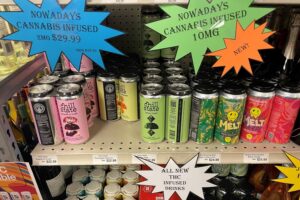
    6) THC Beverages (Including Microdose Options): Best for Social, Lifestyle Use

    This is where the “cannabis infused drinks vs alcohol” comparison really matters.

    What it is: Cannabis-infused drinks or drink-like products designed for controlled THC intake.
    Best for: People who want a social experience that feels more intentional—often framed as a hangover-free vibe (not a guarantee, but a common goal).

    Pros

    • Socially convenient (like alcohol, but different)
    • Often designed for consistent dosing
    • Lifestyle positioning fits “Vitality” routines and events

    Cons

    • Onset may still be delayed like other edibles (depending on formulation)
    • Dosing awareness is crucial—drinks can encourage “one more”

    Best use case: You want a beverage format for social settings while aiming for calmer, more controlled effects.


    7) “More” THC Products: Topical THC & Special Forms http://t.me/mariota42

    Depending on your goals, some “best THC products” aren’t for getting high—they’re for comfort.

    Topicals (THC-infused balms/creams)

    • Best for: Local comfort and targeted use
    • Not for: Intoxication in the usual sense (effects are typically localized)

    Capsules / Softgels

    • Best for: People who want edible dosing without taste
    • Often: Great for consistent microdosing

    How to Choose the Best THC Product for You

    Use this quick decision guide:

    Choose flower or vape if you want:

    • faster onset
    • stronger immediate effects
    • easier “stop/go” during your session

    Choose oils/tinctures if you want:

    • precise dosing
    • microdosing and routine use
    • controlled intensity over time

    Choose gummies/edibles/drinks if you want:

    • convenience
    • predictable servings
    • longer-lasting effects (plan ahead)

    Microdosing Tip (Especially for Beginners)

    If you’re new—or you’re trying to keep things “social and controlled”—the most important rule is:

    Start low, go slow, and wait.
    With edibles and beverages, timing is everything: effects can take longer to kick in, and re-dosing too quickly is how people accidentally overshoot.


    Quick FAQ: Best THC Products Microdosing with the best THC Beverages—The New Social Standard (Hangover-Free Vibes)2026

    What’s the best THC product for beginners?

    Usually gummies or oils/tinctures because dosing can be controlled and effects are more predictable.

    What’s stronger: THC flower or gummies?

    Typically, inhalation can feel stronger faster, but edibles often last much longer. “Stronger” depends on dose and your tolerance.

    Are THC drinks better than alcohol?

    Many people prefer THC beverages as a hangover-free social alternative, but results vary by dose, metabolism, and product formulation.

    What’s best for microdosing THC?

    Oils/tinctures and low-dose drinks/gummies are commonly used for microdosing because servings can be standardized.


    If you tell me your goal—relaxation, socializing, sleep, pain comfort, or daytime calm—I can recommend the best THC product type(s) and a safe starting approach (without guessing).

    thc products    thc products

  • Microdosing with the best THC Beverages—The New Social Standard (Hangover-Free Vibes)2026

    Microdosing with THC Beverages—The New Social Standard (Hangover-Free Vibes)

    Cannabis infused drinks vs alcohol is quickly becoming one of the most searched comparisons in the wellness and lifestyle space. As THC beverages move beyond “party culture” and into a more refined, intentional experience, many drinkers are asking a new question: Can I socialize without the downsides that alcohol brings?

    For a growing number of consumers, the answer is microdosing THC through beverages—small, controlled servings designed to promote relaxation, mood lift, and social ease, without the same next-day heavy feeling many associate with alcohol.

    If your brand domain centers on Vitality, this is a powerful angle: THC drinks are increasingly framed as a healthier social alternative—a way to enjoy the moment while supporting your day after.


    Why THC Beverages Are Growing So Fast

    The drinks category is now one of the fastest-growing segments in the cannabis market. And it makes sense: beverages are convenient, consistent, and socially approachable.

    Compared with smoking or vaping, THC drinks are easier to dose, easier to share (without the stigma), and simpler to integrate into everyday routines—especially for people who want a calm, elevated mood rather than an intense experience.

    In this context, beverages aren’t just another product type. They’re a new social ritual.


    Microdosing THC: What It Actually Means

    Microdosing generally refers to taking a very small amount of a substance to achieve a subtle effect rather than a strong or impairing one.

    With THC beverages, microdosing typically aims for:

    • Milder relaxation
    • Light mood enhancement
    • Improved social comfort
    • Reduced “wired” or “too high” feeling

    Instead of chasing intoxication, microdosing focuses on balance and intention—a big reason it’s catching on among people who want the benefits of cannabis without losing control of the evening.


    The Lifestyle Shift: From “Getting High” to “Staying Present” http://t.me/mariota42

    One reason THC beverages are becoming the “new social standard” is that their marketing and usage culture are evolving.

    Alcohol is traditionally associated with:

    • Larger doses
    • More noticeable impairment
    • Higher likelihood of next-day fatigue
    • A “one-size-fits-all” intoxication pattern

    By contrast, cannabis infused drinks—especially when approached through microdosing—are often positioned as:

    • A gentler experience
    • A more present and conversational social tone
    • A “hangover-free” alternative narrative
    • A lifestyle choice rather than a binge event

    That doesn’t mean THC drinks are automatically “better for everyone.” But the mindset is shifting—and that’s where the lifestyle SEO angle is strongest.


    Cannabis Infused Drinks vs Alcohol: The Vitality Comparison About Extra Quality(THC, Psychedelic, Cannabis & CBD)Final1

    When people search cannabis infused drinks vs alcohol, they’re usually looking for a direct trade-off comparison. Here’s how you can frame it in a wellness-aligned way:

    1) Social Ease (Without the Loud Energy)

    Alcohol can make social interactions feel easier—at least at first—but it can also lead to sloppiness, emotional swings, and reduced self-awareness.

    Microdosed THC beverages often get described as helping people:

    • feel calmer
    • engage more naturally
    • connect without feeling “too altered”

    2) “Next-Day Vibes” (Not Guaranteed, But Often Desired)

    The most compelling lifestyle claim—especially for your Vitality angle—is that THC beverages can feel more hangover-free than alcohol.

    Many people report that a microdose allows them to enjoy the social part while waking up with less fatigue and less regret.

    Important note for responsible wellness positioning: individual experiences vary, and THC affects everyone differently. Still, the “hangover-free social alternative” narrative is what resonates most with lifestyle audiences.

    3) More Control Over Dose

    Alcohol dosing tends to be less precise. Someone might drink one more than planned, or their body metabolizes it differently than expected.

    THC beverages create an easier path to consistency. If a person chooses a low-dose drink, they can aim for predictable effects—especially when they start low and wait.


    How to Microdose THC Beverages Responsibly (Practical Guidance)

    If you want this topic to feel high-quality (and not like hype), include a responsible approach. Lifestyle readers love practical steps.

    Here’s a simple, beginner-friendly framework:

    Start Low, Stay Patient

    THC beverages often take longer to kick in than alcohol. Encourage readers to:

    • begin with a low-dose serving
    • give it time to absorb
    • avoid “chasing” the first feeling too quickly

    Choose Intentional Settings

    Microdosing fits best with plans that support a calm, social vibe:

    • dinners
    • casual hangouts
    • game nights
    • smaller gatherings where conversation matters

    Track Your Personal Response

    Everyone metabolizes THC differently. Encourage readers to pay attention to how they feel after each session:

    • mood
    • relaxation level
    • clarity vs fogginess
    • next-day energy

    A simple “dose → effect” log can help them dial in what works.


    Why This Becomes the “New Social Standard”

    The “social standard” shift isn’t only about product—it’s about what people want from their nights out.

    Modern drinkers increasingly want:

    • better control
    • more wellness alignment
    • fewer negative after-effects
    • less stigma around choosing alternatives

    THC beverages check many of those boxes—especially when framed as a Vitality-forward lifestyle tool rather than an all-or-nothing intoxication route.

    When microdosed responsibly, THC drinks can support a social experience that feels:

    • smoother
    • more intentional
    • less punishing the next day

    And that’s why people are comparing cannabis infused drinks vs alcohol—not just for fun, but for a healthier way to live.


    Brands and Consumers Are Moving Toward “Conscious Intoxication”

    You’ll notice a cultural trend: people are rejecting the idea that every night out must follow the same intoxication script.

    THC beverages are becoming part of a broader “conscious choice” movement, where the goal is not just to feel something, but to feel the right thing—in the right amount, at the right time.

    This is where the keyword strategy matters for SEO:

    • readers search for alternatives
    • lifestyle audiences want guidance
    • wellness content outperforms generic product copy

    If your post emphasizes that these drinks can support vitality and social wellbeing, you align with both consumer intent and your domain identity.


    FAQ: Microdosing with THC Beverages vs Alcohol

    1) Are cannabis infused drinks better than alcohol?

    “Better” depends on your goals and how your body responds. Many people choose THC beverages as a lifestyle alternative because they want a more controlled, hangover-free-feeling social experience. However, individual reactions vary, so responsible dosing and moderation matter.

    2) How do THC beverages compare to alcohol for socializing?

    THC beverages often provide a calmer, more relaxed mood when microdosed. Alcohol may increase sociability for some, but it can also reduce inhibition and clarity. People often prefer the “subtle lift” of THC drinks for conversation-focused evenings.

    3) How long do THC beverages take to work?

    THC beverages typically take longer than alcohol to feel. Many users experience effects after a delayed onset, so it’s important to start with a low dose and wait before taking more.

    4) What is microdosing THC?

    Microdosing THC means taking a very small amount to achieve mild effects—such as relaxation or mood enhancement—rather than strong intoxication.

    5) Will microdosing THC prevent a hangover?

    No method can guarantee zero hangover effects. However, many people report waking up with less fatigue than they would after alcohol, especially when they keep the dose low and drink responsibly.


    If you’d like, share your brand voice (e.g., clinical, friendly, edgy, wellness-focused) and your state/country compliance requirements, and I can tailor the wording to fit your audience while keeping it SEO-strong around the “cannabis infused drinks vs alcohol” comparison. thc beverages

  • Pre-Rolls (for cannabis, THC, CBD) and the “Infused” Trend: Are They Worth It in 2026?

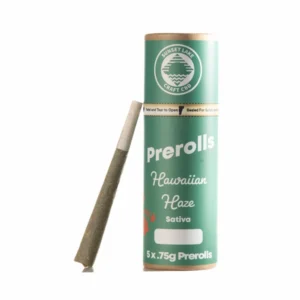
    Pre-Rolls (for cannabis, THC, CBD) and the “Infused” Trend: Are They Worth It?

    Pre-rolls are one of the fastest ways to enjoy cannabis—grab, light, and go. And for a lot of shoppers, pre-rolls don’t just fill a need; they’re a routine. In fact, they’ve become a consistent top seller for many retailers because they’re convenient, affordable (compared to buying flower separately), and easy for both new and experienced consumers.

    But lately, there’s been a major buzz in the market: **“infused” pre-rolls**. You’ll see them marketed as premium, higher potency, and more flavorful—often described as **high potency infused pre-rolls** coated in kief, oil, distillate, or other concentrates.

    So the real question is: **Are infused pre-rolls actually worth it?** Or are you just paying extra for a roll that contains mostly “trim” (smaller, lower-grade flower) with a coating meant to mask quality?

    Let’s break it down—what infused really means, what you should look for on the label, and most importantly, how to check **COAs (Certificates of Analysis)** so you can confirm you’re buying what you think you’re buying.

    ## What Are “Infused” Pre-Rolls, Exactly?

    A standard pre-roll is usually made from ground or chopped flower that’s rolled into a cone or tube and packaged for convenience.

    An **infused** pre-roll, on the other hand, typically includes an added concentrate. Depending on the product, that infusion could be:

    – **Kief-infused** (coated with or layered using kief, sometimes described as “kief dust”)
    – **Oil-infused** (often distillate-based)
    – **Hash/oil combinations** (concentrates mixed with flower or applied as a coating)
    – **“Coated” pre-rolls** (the infusion is added after the roll is formed)

    From a consumer value perspective, infused pre-rolls are meant to deliver:
    1. **Higher potency** (more cannabinoids per puff)
    2. **Potentially stronger flavor/aroma**
    3. **More consistent effects** (depending on how the infusion is distributed)

    But potency alone isn’t the only factor. A high-number label doesn’t automatically mean high-quality cannabis.

    ## Why “High Potency Infused Pre-Rolls” Are So Popular About Extra Quality(THC, Psychedelic, Cannabis & CBD)Final1

    There are a few reasons infused pre-rolls keep rising in popularity:

    ### 1) They promise stronger effects
    If you’ve ever bought a pre-roll that looked good but barely hit, you know the frustration. Infused products advertise more cannabinoids—sometimes significantly more than non-infused flower pre-rolls.

    ### 2) They’re easy for consumers who don’t want to dose concentrates
    Buying distillate or concentrate separately requires more knowledge, measuring, and effort. Infused pre-rolls package the experience into something beginner-friendly.

    ### 3) Retailers and brands market them as “premium”
    Infused products often come with upgraded branding, higher perceived value, and a “treat yourself” vibe.

    That said, the best way to evaluate worth is to verify quality—not just marketing.

    ## Are Infused Pre-Rolls Worth It? The Value Checklist

    If you’re considering **high potency infused pre-rolls**, here’s what “worth it” really means.

    ### ✅ Look for transparency (not vague claims)
    Good brands will clearly identify:
    – cannabinoid type and totals (THC and/or THCa, CBD, etc.)
    – whether it’s kief, distillate, or oil-based infusion
    – test results and testing date
    – batch/lot information

    If the product listing is unclear—especially about what it contains—that’s a red flag.

    ### ✅ Check the flower basis (not just the infused coating)
    This is where “trim” concerns come in.

    Some infused pre-rolls use smaller, lower-grade plant material because the concentrate coating “boosts” performance. That can still be enjoyable for some consumers—but you should know what you’re paying for.

    A quality infused pre-roll should ideally use more than just the least desirable portion of the plant.

    ### ✅ Evaluate effects vs. price per experience
    Even if THC is high, the real question is:
    – Are the effects smooth and consistent?
    – Does it taste good or harshly “burn”?
    – Do you feel the benefits you expected?

    If infused pre-rolls consistently feel weak for the price—or harsh and lacking flavor—then the “worth it” value fades quickly.

    ## COAs: The Consumer Power Tool (and Why You Should Use Them) http://t.me/mariota42

    This is the part most people skip.

    A **COA (Certificate of Analysis)** is the lab report showing testing results for a specific product batch. It’s how you verify that the product isn’t just marketing and that it meets safety and quality standards.

    If a pre-roll claims premium potency, you should expect a COA that matches the exact batch.

    ### Where to find COAs
    Common ways COAs are provided:
    – on the product listing
    – via a QR code on the packaging
    – through the brand’s website
    – in a scan/verification page at checkout

    If you can’t find a COA for the product you’re considering, you should assume you’re not getting full transparency.

    ## How to Check a COA (Simple Step-by-Step)

    When you open a COA, look for these sections.

    ### 1) Cannabinoid potency (THC/THCa and CBD)
    This confirms the cannabinoid profile for that batch.

    If you’re buying **high potency infused pre-rolls**, the cannabinoid totals should align with the claims. However, also pay attention to whether the COA indicates:
    – THCa vs. THC
    – whether CBD is present and at what level

    A strong THC number is important, but it’s not the whole story.

    ### 2) Batch number / lot number match
    You don’t want someone else’s COA.

    Confirm the COA corresponds to:
    – the same brand
    – the same product
    – the same batch/lot
    – the same packaging details (as applicable)

    If the numbers don’t match, don’t assume it’s the same product.

    ### 3) Terpenes (if provided)
    Some COAs include terpene data. For consumers, terpene info helps you understand flavor and potential effects.

    Even if you’re mainly chasing potency, terpenes often explain why two “high THC” products can feel totally different.

    ### 4) Residual solvents (especially for oil/distillate)
    If the infusion is oil-based (common for distillate), the COA should include residual solvent testing.

    Solvent testing matters for consumer safety and quality assurance. A reliable COA will show that residual solvents are within acceptable limits.

    ### 5) Pesticides
    Look for pesticide testing results. Cannabis products should be screened, and the COA should reflect whether contaminants are present or below detection thresholds.

    ### 6) Heavy metals
    This is another key safety panel. Heavy metals should be tested and reported.

    ### 7) Microbials (mold/yeast)
    Pre-rolls can be exposed to microbial contamination if storage and handling are poor. A COA should reflect testing for microbes and show compliance.

    ## “Are They Just Smoking Trim?” How to Spot That

    The “trim” concern usually comes from the idea that some infused pre-rolls rely heavily on concentrate added on top of lower-grade flower.

    You can’t always determine flower grade purely from the COA alone, but you can reduce your risk by using these cues:

    ### 1) Compare label clarity
    The more a brand avoids specifics about ingredients or infusion method, the more cautious you should be.

    ### 2) Look at consistency across lots
    If every batch shows massive potency but COAs show weak or inconsistent quality signals, that might indicate the brand is compensating with infusion rather than using premium material.

    ### 3) Pay attention to safety and contaminant testing
    Even if potency is high, a COA with poor safety results makes the product not worth it—period.

    ### 4) Understand your own tolerance and preference
    Some consumers genuinely prefer infused pre-rolls for strong effects. That’s valid. The key is buying with informed expectations.

    ## Practical Buying Tips Before You Spend

    To make sure you’re getting value (not just hype), do this quick routine:

    1. **Read the infusion type**: kief vs oil vs distillate vs blend.
    2. **Find the COA** for that exact batch.
    3. **Check cannabinoid totals** (THC/THCa and CBD where relevant).
    4. **Review safety panels**: pesticides, heavy metals, residual solvents (if applicable), and microbes.
    5. **Trust your senses**: flavor, smoothness, burn quality, and effect strength.

    If the COA checks out and the product meets your expectations, **high potency infused pre-rolls** can absolutely be worth it—especially for consumers who want stronger effects without learning concentrate dosing.

    ## Final Verdict: Are Infused Pre-Rolls Worth It?

    Infused pre-rolls can be a great consumer value **when they’re transparent, properly tested, and genuinely consistent**.

    They may not be worth it if:
    – COAs are missing or don’t match the batch
    – claims are vague and ingredient details are unclear
    – safety testing looks incomplete or fails
    – the infusion method is heavily used to compensate for low-quality plant material

    But when you verify the COA and understand what “infused” actually means, you can confidently decide whether the experience justifies the cost.

    If you’re shopping for **high potency infused pre-rolls**, your best power move is simple: **don’t buy blind—verify the batch.**

    ### SEO/Rank Math Quick Tip (Based on Your Instructions)
    – Ensure your **Featured Image** has **alt-text containing the keyword**: **“Infused Pre-rols.”**

    If you want, paste your product name(s) and whether the infusion is **kief** or **oil/distillate**, and I can tailor the post to include product-  specific phrasing, a stronger intro hook, and an FAQ section targeting more long-tail search terms. pre-rolls (cannabis, THC, CBD)

  • The Rise of Live Resin Vapes: Flavor vs. Potency (and Why They’re the 1st Best Cannabis Vape Pens for Beginners)

    The Rise of Live Resin Vapes: Flavor vs. Potency (and Why They’re the Best Cannabis Vape Pens for Beginners)

    If you’re new to vaping and vape, the hardest part isn’t understanding how to use a pen—it’s figuring out which type is actually worth your money. And right now, one product category is winning attention fast: live resin (and in many menus, live rosin) carts.

    In this guide, we’ll explain why live resin vapes are outpacing cheap distillates, how the entourage effect plays a role in what you feel, and how to make a smart choice—especially if you’re shopping for the best cannabis vape pens for beginners.

    We’ll also include a clear pros & cons comparison to help you decide whether to choose distillate vs. live resin.

    Note: Always follow your local cannabis laws and purchase from licensed retailers. Start low, go slow.


    Why Beginners Are Moving Toward Live Resin Vapes

    Most beginners start with one of two mindsets:

    1. “I want potency.” (bigger hits, stronger effects)
    2. “I want flavor and a smooth experience.” (less harshness, better taste)

    The problem is that many cheap options lead to disappointment on one or both fronts—often because they use distillate and strip away much of what makes cannabis smell and taste distinct.

    Live resin vapes changed the conversation by offering something that feels more complete: rich flavor, stronger aromatic presence, and a more “natural” cannabis profile—without requiring you to be a lab tech or concentrate specialist.

    That’s why live resin and rosin carts are increasingly described as a better fit for everyday users and new customers alike.


    The Entourage Effect (Why “More Than THC” Matters)

    To understand the live resin advantage, you need the entourage effect.

    What is the entourage effect?

    The entourage effect is the idea that cannabis compounds work better together than any single compound alone. Instead of focusing only on THC (the main psychoactive ingredient), it looks at how multiple components—such as:

    • cannabinoids (like THC, CBD, etc.)
    • terpenes (aroma and flavor compounds)
    • other minor plant compounds

    …may combine to create a more rounded experience.

    Why that matters for vapes

    A beginner often wants a “clean” and predictable experience. Live resin typically retains more of the naturally occurring terpene profile and broader compound spectrum than products made from heavily refined inputs.

    So the expectation becomes:

    • more flavor
    • more authenticity
    • potentially a more balanced feel compared to a vape that’s mostly one-note THC potency.

    It’s not that distillate has “no value,” but live resin tends to deliver the full-spectrum vibe that people now actively search for—especially after they’ve tried a few cheap carts and noticed the difference in harshness, taste, or how they feel after a session.


    Live Resin vs. Distillate: The Key Quality Difference

    At a high level:

    • Distillate is often highly refined and stripped down to concentrate specific cannabinoids (commonly THC), which can make it easier to standardize and mass-produce.
    • Live resin is made to preserve more of the original plant characteristics (including terpene compounds). That “liveness” is typically why it tastes more like real cannabis.

    The “Flavor vs. Potency” myth

    A common beginner assumption is:

    • Distillate = more potency
    • Live Rosin = more flavor

    In reality:

    • Potency depends on the final THC/Cannabinoid concentration.
    • Experience depends on the compound mix and how clean the extraction and formulation are.

    Many users find that live resin doesn’t just taste better—it also feels more complete. Beginners interpret that “complete” sensation as better value, especially when they care about throat feel, flavor accuracy, and overall consistency.


    Pros & Cons: Distillate vs. Live Resin

    Here’s a straightforward pros & cons list to help you decide quickly.

    Distillate (Pros)

    • Often strong and consistent from cart to cart
    • Easier to formulate into standardized dosage experiences
    • Can be cheaper, which appeals to first-time buyers
    • Usually widely available

    Distillate (Cons)

    • Often less complex flavor (sometimes tastes “muted”)
    • May feel more harsh for some users
    • Less emphasis on preserving the full terpene/cannabis profile
    • Can feel more “one-dimensional” (mostly THC-driven)

    Live Resin (Pros)

    • Typically richer flavor and more aromatic terpene expression
    • Often perceived as cleaner and more enjoyable for repeated use
    • More closely reflects the original plant profile
    • Better match for people who want both “feel” and “taste”

    Live Resin (Cons)

    • Can cost more than distillate
    • Flavor may vary more by strain/profile
    • Beginners still need to learn dosing (even if the experience is smoother)

    Why Live Resin and Rosin Are Outperforming Cheap Distillates http://t.me/mariota42

    It’s not only hype. Several real-world factors are pushing demand:

    1) Cleaner sensory experience

    People talk about “cleanliness” because they can detect it:

    • smoother inhalation
    • better flavor retention
    • fewer off-notes like burnt or chemical tasting residue

    When extraction is done thoughtfully—especially when the brand focuses on purity and consistency—users feel the difference immediately.

    2) People want authenticity, not generic THC

    As consumer education improves, they start asking better questions:

    • “What does this strain taste like?”
    • “Why does this cart feel different?”
    • “Is it actually cannabis-derived flavor?”

    Live resin naturally fits that mindset because it leans into terpene expression.

    3) The entourage effect fits modern wellness expectations

    Even beginners who don’t know the term “entourage effect” are often describing the same idea:

    • “It feels more natural.”
    • “It’s less intense in a weird way.”
    • “It’s not just blasting THC—there’s more to it.”

    How to Choose the Best Cannabis Vape Pens for Beginners (Live Resin Edition)

    If you’re shopping for live resin as a beginner, focus on these quality-control signals:

    1) Clarity and consistency in the oil profile

    A “clean” cart isn’t only about the label. It’s about how the product behaves:

    • smooth draw
    • consistent flavor from start to finish
    • no weird aftertaste

    This is where brands that prioritize extraction quality and formulation tend to stand out.

    2) Strong terpene-preserving design

    You want a cart that tastes like something—because that usually means it’s not a stripped-down distillate-style experience.

    3) User-friendly dosing

    Beginners should pick:

    • a lower, clearer dosing format (many brands provide mg-per-inhale or serving guidance)
    • a brand that offers consistent batch behavior
    • a pen style that avoids overheating (temperature control helps if available)

    Quality Spotlight: Vivid Vitality’s “Cleanliness” Advantage Vapes

    For newcomers, “clean extraction” and consistency can be just as important as cannabinoid strength. That’s because the beginner experience is heavily influenced by throat feel, flavor accuracy, and how the session feels afterward.

    With Vivid Vitality, the selling point is positioned around extraction cleanliness—meaning the brand emphasizes producing a high-quality live resin oil designed to deliver a more pleasant, reliable vape experience.

    In practical terms, this matters because beginners often don’t want to troubleshoot:

    • harsh hits
    • burnt flavor
    • inconsistent effects

    When a brand’s process is built around cleaner extraction and formulation, it reduces the “trial-and-error” phase and accelerates trust—especially for shoppers looking for the best cannabis vape pens for beginners.


    Flavor-First vs. Potency-First: Which Should You Choose?

    Choose Live Resin if you want:

    • stronger flavor identity
    • smoother, more enjoyable sessions
    • a more “complete” cannabis experience (entourage-effect friendly)

    Choose Distillate if you want:

    • cost savings
    • highly standardized effects
    • a more straightforward THC-focused experience

    Most beginners end up preferring live resin because it aligns with what they notice first: taste, smoothness, and overall feel.


    Beginner Tips: How to Vape Live Resin Without Overdoing It

    1. Start with short puffs. Don’t chain-hit on the first session.
    2. Wait between puffs. Give your body time to react.
    3. Avoid overheating. If your pen has settings, use moderate power rather than maxing it out.
    4. Choose known flavors/profiles. If you like citrusy or herbal notes, stick to profiles that match your preferences.

    Final Takeaway

    Live resin vapes are rising because they deliver a better overall user experience: more flavor, a more rounded effect, and often a reputation for cleanliness compared to cheap distillates. That aligns with the entourage effect, where the overall cannabinoid + terpene mix contributes to how cannabis feels—not just THC strength.

    If you’re searching for the best cannabis vape pens for beginners, live resin (and rosin) carts are often a smarter starting point because they tend to be smoother, more flavorful, and more satisfying for day-to-day use.

    If you want, tell me your preferred flavor profile (sweet, citrus, piney, earthy) and whether you’re aiming for “calm wellness” or “uplift,” and I’ll suggest what type of live resin cart to look for (plus what potency range is easiest for beginners).Live resin vapes

  • Why Hybrid Strains Dominate the Modern Market (and the Most Popular Cannabis Strains 2026)

    Why Hybrid Strains Dominate the Modern Market (and the Most Popular Cannabis Strains 2026) http://t.me/mariota42

    Walk into any dispensary and you’ll notice the same pattern: the shelves aren’t just split into “Indica” and “Sativa” anymore. They’re increasingly organized around what the strain is expected to feel like—and that usually comes down to terpene profiles, balanced effects, and consumer lifestyle fit.

    That’s why hybrid strains dominate the modern market and why many shoppers are searching for most popular cannabis strains 2026 that match their day: clarity, productivity, mood support, and a smoother landing between work and rest.

    In this post, we’ll break down the science behind the trend—especially terpenes—and explain why consumers are moving toward balanced hybrids for daytime wellness and performance. You’ll also get an H2 built for search intent: “What are the best hybrid strains for focus and energy?”


    Indica vs. Sativa Is Losing the Marketing Battle

    For years, the industry leaned on simple categories: Indica = couch lock, Sativa = uplift. While there can be broad trends, the reality is more complicated.

    Two big reasons the “Indica vs. Sativa” framework is weakening:

    1. Genetics are blended. Modern breeding produces plants engineered for specific outcomes—often combining characteristics from multiple lineages.
    2. Consumers want predictable experiences. People don’t buy a label; they buy the expected result: focus, calm, creativity, relaxation, or sleep.

    So instead of asking what family is it? shoppers are increasingly asking:
    “What does it taste like, smell like, and how does it behave for me?”

    That’s where terpene science becomes the deciding factor.


    The Terpene Shift: Science Over Stereotypes

    What are terpene profiles?

    Terpenes are aromatic compounds found in cannabis that drive the plant’s smell and flavor—think pine, citrus, berries, pepper, or earth. But terpene profiles aren’t just cosmetic. They’re increasingly studied for how they may influence the overall effect of cannabinoids.

    In other words, two strains with similar THC levels can feel different because their terpene compositions differ.

    Why terpenes are the new “signal”

    Terpenes help explain why a balanced hybrid can feel energizing for one person and pleasantly steady for another. As consumers learn to look past the “Indica/Sativa” label, terpene descriptions become more actionable:

    • Limonene (often citrus-forward) is commonly associated with bright, mood-lifting impressions.
    • Myrcene (often earthy, herbal) is frequently linked—by consumer and industry reports—with deeper relaxation tendencies.
    • Pinene (often pine-like) is often discussed in connection with alertness and clarity.
    • Linalool (often floral) is frequently mentioned around calming and easing stress.

    Important note: Everyone’s body chemistry is different, and terpene effects don’t operate like a single “on/off” switch. Still, terpene profiling gives shoppers a more nuanced way to choose.


    Why Balanced Hybrids Win for Daytime Productivity

    The modern wellness lifestyle demands moderation

    Today’s consumer wants cannabis that fits into real life—meetings, workouts, errands, creative work, and evening wind-down. That preference naturally favors balanced hybrids.

    A “balanced hybrid” is typically expected to deliver:

    • enough lift or activation for daytime movement
    • enough smoothness to avoid anxiety, racing thoughts, or heavy sedation

    This is exactly why many people gravitate toward strains known for daytime usability—like Blue Dream, which is often discussed as a hybrid that can support an alert, functional vibe without completely flattening energy.

    Cannabinoids + terpenes = a more personalized experience

    Hybrid dominance also reflects a shift in consumer education. Many shoppers now understand that:

    • THC levels alone don’t determine the experience
    • the “full spectrum” interaction (cannabinoids + terpenes + other plant compounds) influences feel

    When shoppers search for most popular cannabis strains 2026, they’re often filtering mentally for:

    • taste/aroma cues they enjoy
    • effects that feel “workable” in daytime
    • stability across doses (or at least guidance on dosing)

    Hybrids—especially those with strong terpene identity—are well-positioned to meet those expectations.


    What Are the Best Hybrid Strains for Focus and Energy?

    Below are common categories and examples shoppers frequently seek for focus and energy. Availability and naming can vary by state/brand, so use this as a starting point for discussing options with your budtender.

    1) Citrus-forward hybrids (often uplifting-leaning)

    Best for: mood lift, creative momentum, “get up and do it” energy
    What to look for: lemon/lime/citrus terpene notes, clean aroma, a “bright” profile

    Why they fit: citrus-associated terpene profiles are often described as feeling more mentally engaging than sedating.

    2) Pine/herbal hybrids (often clarity-leaning)

    Best for: mental sharpness, task flow, productivity without heavy haze
    What to look for: piney, fresh, slightly woody notes

    Why they fit: pine-forward profiles are frequently discussed around alertness and reduced fogginess.

    3) Balanced “smooth daytime” hybrids

    Best for: focus plus emotional steadiness—no extremes
    What to look for: a hybrid profile that’s marketed as steady, clear-headed, and functional

    Why they fit: these are bred and selected to avoid the two biggest problems consumers report with extremes:

    • too much sedation (can feel like shutdown)
    • too much stimulation (can feel like tension)

    4) Blue Dream-type profiles (the productivity classic archetype)

    Best for: daytime versatility—support for work, movement, and social energy
    What to look for: “balanced hybrid” positioning and daytime-friendly reputation

    Why they fit: Blue Dream has become a cultural shortcut for “usable hybrid,” especially for consumers who want energy without harshness.


    Why Hybrid Strains Perform Better in Modern Retail Full-Spectrum CBD Powder

    Hybrids don’t just win biologically—they win commercially.

    1) Better for beginner-to-advanced transitions

    A lot of shoppers start with THC but quickly learn what they don’t like. Hybrids are often the easiest “middle path” because they can be dosed and adjusted.

    2) More predictable lifestyle integration

    Retail customers often want to avoid the binary feeling of “on” or “too much.” Balanced hybrids are marketed and discussed in terms that match real routines:

    • daytime calm
    • energy for activity
    • smoother social experiences
    • evening relaxation without immediate couch lock

    3) Terpene-led descriptions improve confidence

    When a product listing says it’s piney, citrusy, or berry-like, the buyer gets a sensory preview. That reduces uncertainty and increases conversion—especially among newer consumers who still don’t trust the old Indica/Sativa stereotypes.


    The Most Popular Cannabis Strains 2026: What Trends Usually Mean

    When people ask most popular cannabis strains 2026, they’re rarely asking for a single “winner.” They usually mean:

    • which strains are repeat-bought
    • which strains fit common needs
    • which strains are showing up across brands and menus

    The current pattern suggests hybrids with:

    • distinctive terpene identities
    • daytime usability
    • a reputation for balanced, functional effects

    This trend doesn’t eliminate classic Indica/Sativa preference—it reframes it. Instead of choosing a label, shoppers are choosing outcomes and aroma cues.


    How to Choose a Hybrid for Focus and Energy (Quick Checklist)

    When you’re selecting a hybrid for attention, drive, and productivity, use this checklist:

    1. Look at terpene descriptors first (citrus, pine, herbal, floral, etc.)
    2. Check the cannabinoid intent: THC-heavy doesn’t automatically mean “better energy,” and too high THC can backfire.
    3. Start with a low dose and wait long enough to assess—especially if you’re new to the strain.
    4. Choose the time of day you’ll actually use it (daytime strains should match your schedule)
    5. Prefer consistent formulas (same brand, same serving size helps you track personal response)

    Final Takeaway: Hybrids Dominate Because Terpenes Make Experiences Personal

    Hybrid strains dominate the modern cannabis market because consumers are moving away from oversimplified labels and toward terpene-driven expectations. Balanced hybrids offer the best of both worlds for many people: functional daytime energy and smoother overall feel—making them some of the most popular cannabis strains 2026.

    If you want, tell me your state and the types of strains you see most often (THC dominant vs. balanced THC/CBD). I can tailor a “focus and energy” section to match what’s commonly available where you shop, and tighten the article for your specific audience and dispensary inventory.most popular cannabis strains and cbd hybrid strains

  • The Bioavailability of Gummies vs. Tinctures (and How to Choose the Best Cannabis Edibles for Wellness)1

    http://t.me/mariota42When people look for the best cannabis edibles for wellness, they’re usually trying to solve the same problem: How fast will it work, and how much will actually get into my system?
    That comes down to bioavailability—and specifically to first-pass metabolism.

    In this guide, we’ll compare gummies vs. tinctures, focusing on first-pass metabolism, plus a practical table for onset time and duration so you can choose the format that fits your wellness goals.


    Why First-Pass Metabolism Matters (The Core Difference)

    What is first-pass metabolism?

    When cannabinoids are swallowed and absorbed through the digestive system, they travel to the liver first. The liver can break down a portion of THC (and other compounds), reducing how much reaches your bloodstream in an active form.

    What this means for edibles

    • Gummies are typically swallowed → go through digestion → then first-pass metabolism in the liver → lower effective dose reaching circulation.
    • Tinctures can be taken sublingually (under the tongue) and/or swallowed.
      • Sublingual tinctures are absorbed partly through the mouth → less first-pass effect.
      • Swallowed tinctures behave more like other oral edibles → more first-pass effect.

    Bottom line: Format affects how much of the dose survives the journey to your system.


    Why Gummies Are the Top Seller (Convenience Wins)12 mg THC Gummies

    Gummies dominate sales because they’re:

    • Easy to dose (pre-measured)
    • Discreet and portable
    • Consistent for consumers (especially for newcomers)
    • Simple to incorporate into routines (like “after lunch” or “evening wind-down”)

    But convenience can come with a tradeoff: swallowed gummies may experience more first-pass metabolism, meaning you may need to optimize the way you take them to improve results.


    How to Optimize Gummies for Better Absorption (Practical Tips)

    If you’re using gummies for wellness (stress, sleep support, recovery, balance), these strategies can help you get better effects from the same amount:

    1) Take them with a meal or fat-containing snack

    Many cannabis compounds are fat-soluble. Taking gummies alongside food—especially food that includes healthy fats—may support absorption.

    Tip: If you tend to snack late, consider pairing with a small meal rather than an empty stomach.

    2) Be mindful of onset expectations

    Gummies often require time to digest and metabolize. If you “dose again early,” you can accidentally overshoot once effects finally kick in.

    3) Start low, go slow (especially with THC gummies)

    A lower starting dose helps you learn your personal response curve—particularly because first-pass metabolism can vary by person.

    4) Choose formulations designed for better consistency

    Look for products that emphasize:

    • standardized dosing
    • well-dispersed cannabinoids
    • clear labeling for THC/CBD amounts and servings

    Tinctures: Often Faster, and Potentially Less First-Pass Impact

    Tinctures are popular for wellness consumers because they can be more flexible.

    Sublingual strategy (often best for absorption)

    If you want to reduce first-pass metabolism, take your tincture under the tongue and hold it there briefly before swallowing.

    Why: Sublingual absorption can bypass some first-pass effect compared with swallowed-only dosing.

    Swallowing tinctures

    If you swallow immediately, tinctures behave more like oral edibles—more first-pass metabolism, typically slower onset than sublingual use.


    Onset Time & Duration Comparison Table (Gummies vs. Tinctures)

    Times vary by dose, cannabinoid type, body chemistry, and whether the tincture is sublingual or swallowed.

    Edible Type Typical Onset Time Typical Duration Best Use Case (Wellness Angle)
    Gummies (swallowed) ~30 min to 2 hours ~4 to 8 hours Routine dosing, predictable “all-in-one” option
    Tincture (sublingual) ~10 to 45 min ~2 to 6 hours Faster feedback for wellness needs (stress, wind-down)
    Tincture (swallowed) ~30 min to 2 hours ~4 to 8 hours Similar to edibles; convenient but more first-pass effect
    (General) High-fat pairing with gummies Can shift onset slightly earlier for some users Similar overall duration People who want better absorption support

    So… Which Is Better for “Wellness” Based on Bioavailability?

    If your goal is consistent wellness support with minimal decision-making, gummies are often the most convenient—but optimize them to account for first-pass metabolism.

    If your goal is more responsive dosing (especially when you want faster onset), tinctures—particularly sublingual use—often have an advantage because they may reduce first-pass impact.

    Quick decision guide

    • Choose gummies if you want: ease, consistency, routine wellness dosing.
    • Choose tinctures (sublingual) if you want: faster onset and more dosing control.

    FAQs (SEO-Friendly, High-Intent)

    1) Do gummies have lower bioavailability than tinctures?

    Often, yes. Gummies are swallowed and may experience more first-pass metabolism, while tinctures can be used sublingually to reduce that effect.

    2) Are tinctures stronger than gummies?

    Not automatically. “Strength” depends on the dose and how it’s taken (sublingual vs swallowed). A tincture can feel stronger because onset may be faster, not necessarily because the dose is greater.

    3) How can I improve the absorption of gummies?

    Consider taking them with food (especially with fats), avoid redosing too quickly, and start with a low dose to learn how your body responds.


    Final Takeaway: The Best Cannabis Edibles for Wellness

    For wellness use, format matters because first-pass metabolism can reduce how much of the dose reaches your bloodstream in an active form. Gummies are the top seller for convenience, but you can improve outcomes by optimizing timing and food pairing. Tinctures—especially when taken sublingually—may offer a more efficient path with faster onset.

    If you want, paste the specific product types you carry (e.g., THC:CBD:CBN ratios, gummies vs tinctures, and whether tinctures are designed for sublingual use), and I’ll tailor the article with tighter comparisons and a more conversion-focused section for your catalog.best cannabis edibles for wellness